Selling Inherited Property in Virginia: The Complete Executor & Heir Guide to the Probate Real Estate Process
Selling Inherited Property in Virginia: The Complete Executor & Heir Guide to the Probate Real Estate Process

By Eunice Johnson, WeBuyNOVA
Inheriting property in Virginia brings a probate real estate process that executors and heirs must understand thoroughly. This process can involve various complexities, including legal requirements, emotional challenges, and financial implications. Executors have unique responsibilities, while heirs must navigate their rights and responsibilities regarding the inherited property. This comprehensive guide will help you understand the steps involved in selling inherited property in Virginia, manage executor duties, and explore how cash home buyers help heirs sell inherited property fast Virginia-wide, without repairs or long delays. Additionally, we will discuss common probate court requirements, potential foreclosure risks, and the tax implications associated with these sales.
By following this guide, you will be equipped with the knowledge to handle the probate real estate process effectively, ensuring a smooth transition of inherited property. Key sections include a detailed breakdown of the probate process, executor management of property sales, the benefits of selling to cash buyers, and how to avoid foreclosure challenges.
What Are the Key Steps in the Virginia Probate Real Estate Process?
The Virginia probate real estate process consists of several critical steps that executors and heirs must follow to sell inherited property effectively. This process begins with obtaining legal authority to sell the property, which is crucial for legitimizing the transaction. Executors must gather and prepare necessary documents, evaluate the current market dynamics, and set a reasonable price for the property.
A thorough understanding of these key steps is essential, since selling inherited real estate involves several moving parts. Executors should also be mindful of the emotional aspect of dealing with inherited properties, as it can involve challenges such as maintaining family relationships while making timely decisions regarding property sales.
How Does an Executor Selling an Inherited House Manage the Probate Property Sale?

The executor plays a pivotal role in managing the sale of probate property, which involves more than just overseeing transactions. This responsibility encompasses evaluating the property's condition, obtaining necessary appraisals, and preparing the appropriate documentation for the sale. Executors must also communicate effectively with heirs and address any concerns they may have.
An essential part of the process is ensuring compliance with local regulations and court timelines. The executor must keep meticulous records and provide updates to the probate court to facilitate a smooth sale. By fulfilling these responsibilities, the executor supports heirs and ensures that the property is sold in accordance with Virginia probate laws.
What Are the Common Probate Court Requirements in Virginia?
In Virginia, several key legal requirements must be fulfilled when selling inherited property through probate court. These include obtaining legal authority from the court to sell the property, adhering to established timelines for notification and documentation, and satisfying any court-mandated obligations.
These requirements are designed to protect the interests of all parties involved, ensuring fairness and adherence to legal standards. Executors must prepare for these obligations to facilitate a successful property sale.
How Can Heirs Sell Inherited Property Fast Through Cash Home Buyers in Northern Virginia?
For many heirs, the traditional real estate process can be lengthy and stressful. Utilizing cash home buyers is an efficient alternative that can significantly expedite the sale of inherited property. Cash buyers offer immediate transactions, often allowing sellers to close within a few days, which is particularly beneficial for those facing financial challenges or emotional burdens.
What Are the Benefits of Selling To Cash Buyers Compared to Traditional Listings?
Selling inherited property to cash home buyers presents several advantages over conventional listings:
- Speed of Transaction: Cash buyers can often facilitate a quick closing, which is ideal for heirs needing immediate funds.
- No Repairs Needed: Unlike traditional sales, selling to cash buyers allows heirs to sell the property "as-is" without incurring repair costs.
- Less Paperwork: The process typically involves less documentation, reducing the burden on executors and heirs.
These benefits make cash buyers an attractive option for those seeking a straightforward and efficient way to navigate the probate real estate market.
How Does WeBuyNOVA’s Cash Offer Process Work in Northern Virginia?
WeBuyNOVA offers a streamlined cash offer process tailored for sellers in Northern Virginia. It begins with an initial contact, where sellers can express their interest in selling their property. Following that, WeBuyNOVA conducts a property assessment to determine a fair market value, considering its current condition without the need for repairs.
Sellers receive a cash offer, which they can accept to move forward with the sale. The closing process is quick, allowing sellers to choose their closing date, ensuring flexibility and alleviating stress. By covering all closing costs and providing a no-obligation offer, WeBuyNOVA facilitates a smooth selling experience for those in the probate process.
What Should Sellers Know About Selling Probate Property As-Is in Virginia?
Selling probate property "as-is" has become a common practice among heirs looking to bypass strenuous renovation processes. Understanding what this entails is vital for sellers to avoid potential pitfalls in the transaction.
What Does 'Selling As-Is' Mean for Inherited Properties?
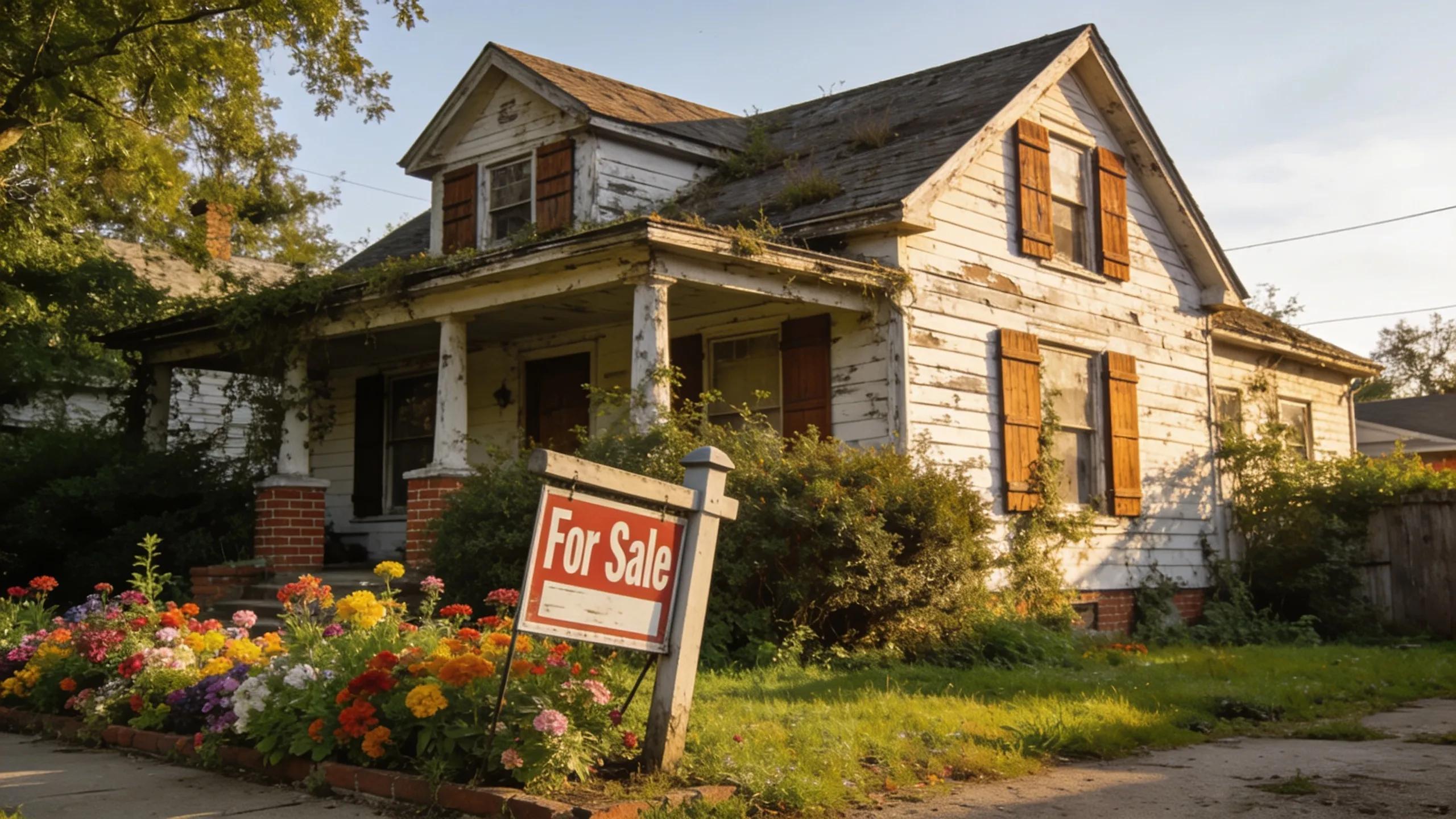
When selling as-is, sellers are not obligated to make any repairs or improvements to the property before sale. This means that the buyer accepts the property in its current condition, which can expedite the sale process. However, sellers must be transparent about known defects, ensuring that buyers are aware of any issues that could impact their decision.
How Does Selling As-Is Affect Closing Costs and Taxes?
Selling inherited property as-is may influence the costs associated with the sale. Typically, sellers can save on repair expenses but must still account for standard closing costs, which may vary based on local regulations. Tax implications should also be considered, as inherited properties may have different tax treatments, including potential capital gains taxes upon sale.
Understanding these financial factors is crucial for heirs to maximize the proceeds from the sale while fulfilling their legal obligations.
How Can Heirs Avoid Foreclosure and Other Challenges When Selling Inherited Property?
When heirs inherit property and are unable to manage the estate, they may face significant challenges, including foreclosure risks. Addressing these issues proactively is essential to protect their interests in the inherited property.
What Foreclosure Risks Affect Inherited Properties in Northern Virginia?
Inherited properties may contribute to financial burdens if heirs do not take timely action. Common foreclosure risks stem from outstanding debts linked to the property, such as mortgage payments and property taxes. If these obligations are not met, lenders can initiate foreclosure proceedings, jeopardizing the heirs' investments.
What Foreclosure Solutions Are Available Through Fast Probate Sales?
Fast probate sales through cash buyers provide an effective solution for heirs facing foreclosure risks. By selling quickly, heirs can eliminate mortgage liabilities and avoid lengthy foreclosure processes. This approach not only preserves the value of the inherited property but also relieves heirs of financial stress, allowing them to focus on their next steps.
What Are the Tax and Closing Cost Considerations When Selling Probate Property in Virginia?
Tax implications associated with selling inherited property must be carefully evaluated to ensure compliance and maximize profits. Heirs should be aware of potential estate taxes and any capital gains taxes that may arise from the sale.
Who Typically Pays Closing Costs in Virginia Probate Sales?
In Virginia, closing costs in probate sales are typically borne by the seller but can be negotiated as part of the sale agreement. Heirs should anticipate expenses such as title insurance, attorney fees, and transfer taxes, which can impact the net proceeds from the sale.
What Estate and Inheritance Taxes Apply to Virginia Probate Real Estate?
Virginia does not impose an estate tax, but inheritance taxes do not apply in the state as it does not levy any inheritance taxes. Heirs must consult with a tax advisor to understand the potential financial implications and ensure they are taking advantage of their rights while complying with state laws regarding taxes on inherited property.
What Are the Roles and Responsibilities of Executors During Inherited Property Sales?
Executors play a fundamental role in the successful management and sale of inherited property. By understanding their responsibilities, they can navigate the probate process more effectively and serve the best interests of the heirs.
How Does the Executor Facilitate the Probate Sale Process?
The executor is responsible for obtaining the necessary court approvals and ensuring compliance with probate laws. This includes providing regular updates to the court, preparing for property evaluations, and managing all documentation required for the sale.
By taking these proactive steps, executors not only protect the estate's interests but also facilitate a smoother transition of property rights to heirs.
What Legal and Emotional Support Is Recommended for Executors and Heirs?
Selling inherited property can be an emotional journey for both executors and heirs. Seeking legal assistance is often advisable to navigate complex probate laws, while emotional support can come from friends, family, or professionals familiar with the challenges associated with estate management. A well-rounded support system helps ensure that the sale process remains as uncomplicated and efficient as possible.
Contact Us
Ready to sell your inherited property with confidence? Reach out to WeBuyNOVA today:
- 📞 Call us: +1 (571) 200-2365
- ✉️ Email us: [email protected]
- 🔗 Book your free cash offer: Get a Cash Offer
As a Service Area Business serving Northern Virginia, we come to you — no office visit necessary.