Selling Historic Homes in Leesburg
Selling Historic Homes in Leesburg
Selling Historic Homes in Leesburg — Fast, Fair Cash Offers and Practical Guidance for Motivated Sellers
By Eunice Johnson, WeBuyNOVA | We Buy Houses For Cash
Selling a historic home in Leesburg can be deeply rewarding, though it usually comes with a few extra steps: preservation rules to follow, repairs that can add up, and a smaller pool of buyers who appreciate what makes the home special. If you need to move quickly, whether you're under financial pressure, going through a life change, or ready to close this chapter, an all-cash offer can make the process far easier. This guide walks through why cash sales work well for historic properties, how motivated sellers can get expert help along the way, and the situations where a cash sale tends to make the most sense. We'll also show you how webuynova.com can help you secure a fast, fair cash offer and move toward a smooth closing.
Key Takeaways
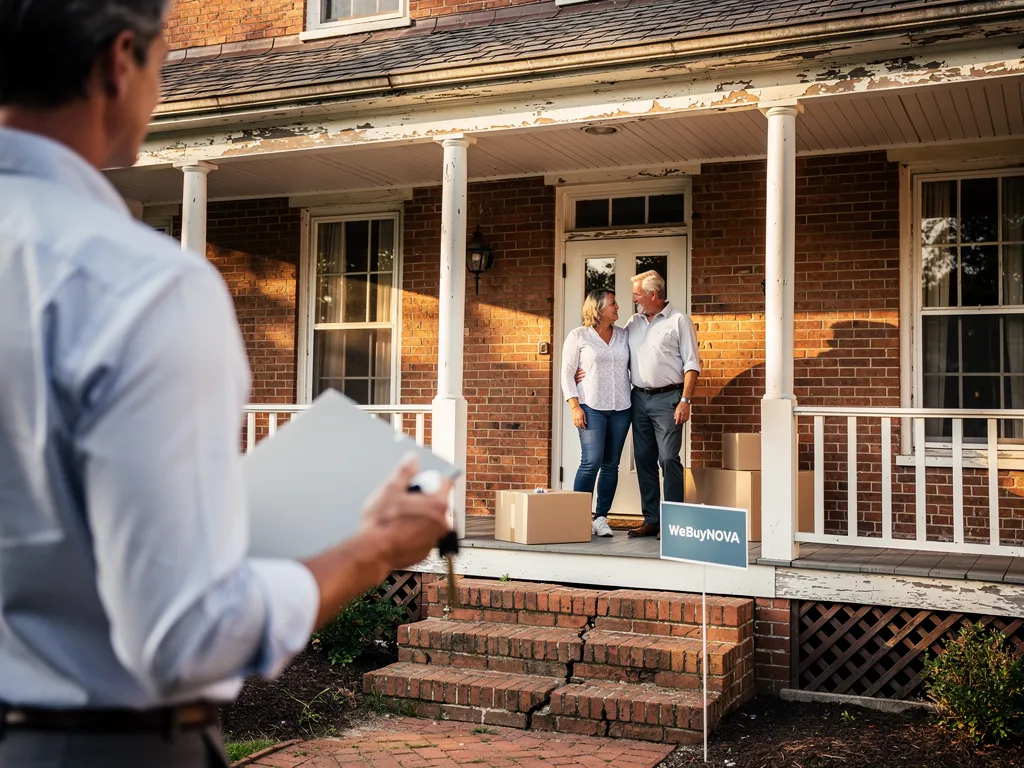
All-cash offers let historic home sellers in Leesburg close quickly without long showings or buyer financing contingencies, and experienced advisors help sellers value historic features, navigate preservation rules, and set competitive prices. Cash sales are especially helpful for sellers facing foreclosure, probate, divorce, or relocation, because buyers can purchase the property as-is, removing the need for costly repairs, speeding up the process, and lowering stress for owners.
WeBuyNOVA typically presents cash offers within 24–48 hours and focuses on transparent, efficient transactions, with typical closing costs including title insurance, transfer taxes, and recording fees that vary by negotiation. Cash buyers usually close faster and with fewer contingencies than iBuyer platforms, and compared with iBuyer proposals, cash offers often mean clearer pricing and fewer fees for sellers of historic homes.
Fast Cash Offers

A cash offer for a historic home can simplify the entire selling process. Without lender approvals, many of the usual steps, lengthy inspections, buyer financing contingencies, and repeated showings, are reduced or removed entirely. That gives sellers more control over timing and fewer unknowns about whether the deal will close, which is exactly why so many owners choose to sell their historic home fast through a cash sale. For homeowners who must sell quickly, cash transactions can close in days instead of weeks or months, speed that can be crucial for people dealing with urgent financial or personal situations.
Expert Guidance for Motivated Sellers
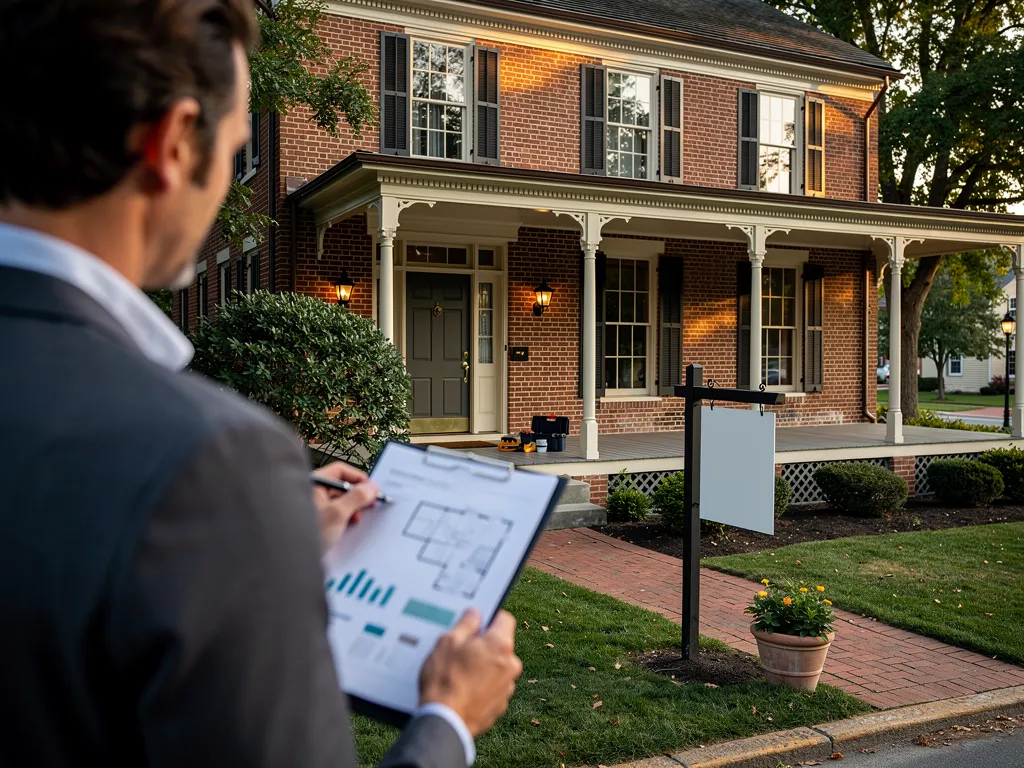
Selling a historic property has nuances: local market trends, valuation of period features, and preservation rules that affect renovations. Working with experienced professionals helps you price the home accurately and present its character to the right buyers. A knowledgeable partner can also streamline tasks, preparing paperwork, advising on minimal repairs (if any), and negotiating offers, so sellers feel less overwhelmed during a fast sale. While historic homes bring charm and value, preservation guidelines can make improvements more expensive and limit renovation options, a pattern seen nationally as well: over the last twenty years, many cities have turned to historic preservation to revive declining areas, protecting older structures while trying to increase property values, though preservation rules often impose stricter requirements that raise the cost of improvements compared with non-protected areas (Clark, 1997).
Situations Where Cash Sales Are Beneficial
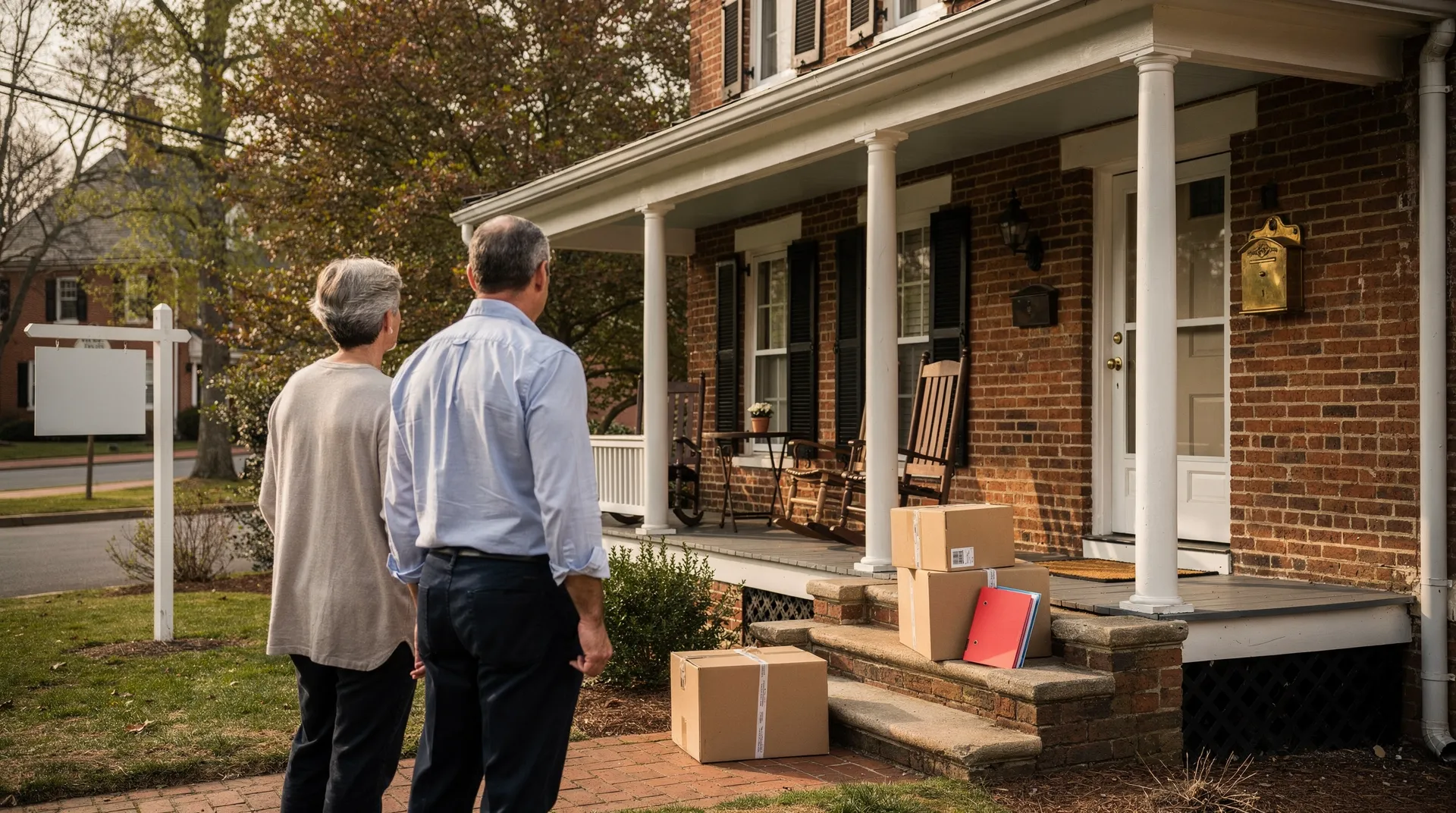
Certain circumstances make a cash sale an especially sensible choice for owners of historic homes. Homeowners facing foreclosure can use fast cash closings to settle debts quickly and avoid the long-term consequences of losing the property. For those who need to sell an inherited historic home, a cash sale is often the simplest path when the process feels emotional and time-consuming, letting heirs move forward without managing repairs or long listings (for more on how fast, transparent sales work, see Sell My House Fast in Sterling VA). And when life calls for a quick resolution, such as a divorce or a relocation, cash sales remove many of the usual delays so sellers can focus on their next steps. Knowing which of these scenarios applies to you makes it easier to decide whether a cash sale is the right fit.
How Does Cash Home Buying Work for Historic Properties in Leesburg?
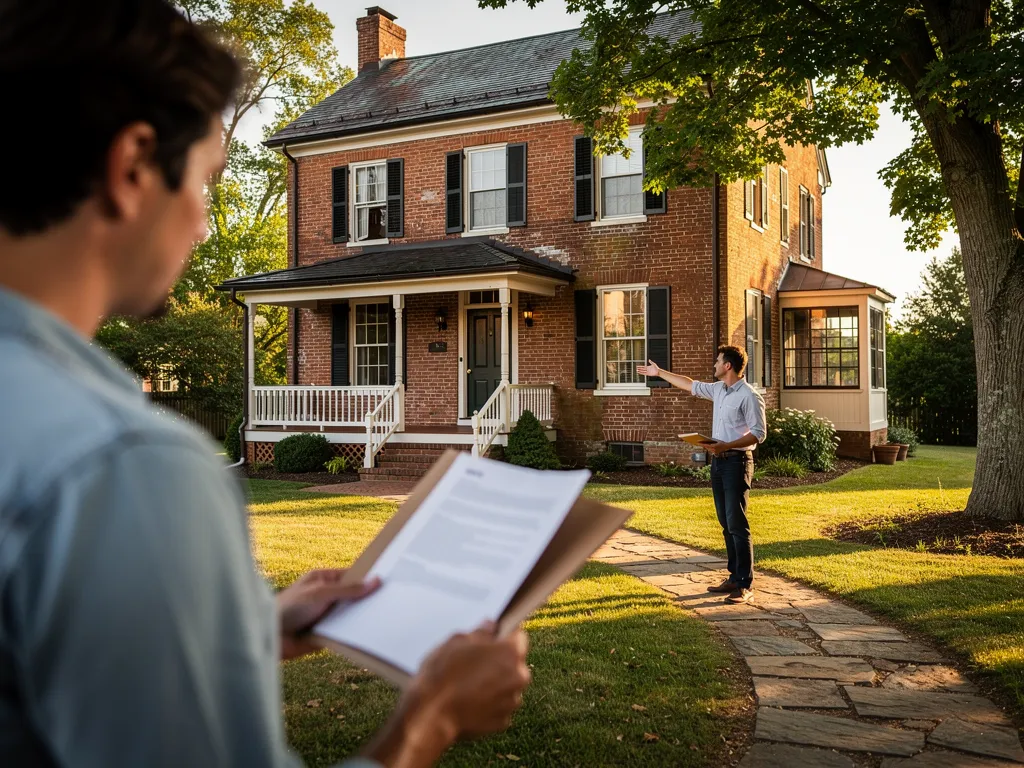
Cash home buying for historic properties is designed to be fast and straightforward. The process usually begins with a brief property evaluation to gauge condition and value, followed by a cash offer within 24–48 hours, and from there sellers decide whether to accept, negotiate, or walk away. A major benefit is selling as-is—sellers aren't required to complete repairs or modernize systems before closing, which is particularly helpful for older homes that may need significant work.
What Are the Benefits of Selling Your Historic Home As-Is?
Selling as-is can be beneficial for several reasons. It helps you avoid the often-large expense of fixing or updating older systems and historic details, which in turn shortens the timeline and gets you to closing sooner. Selling the property in its current condition also reduces logistical and emotional strain. For many sellers, those advantages outweigh the potential trade-offs of listing on the open market.
How Does webuynova.com Facilitate Fast Cash Sales?
webuynova.com focuses on quick, transparent cash offers for historic properties. The typical flow: a rapid evaluation, a clear cash offer delivered within 24–48 hours, and a closing timeline tailored to the seller's needs. Offers reflect the home's current condition and local market value. The company emphasizes straightforward communication so sellers understand each step before they agree to move forward.
Avoiding Foreclosure with a Fast Cash Sale
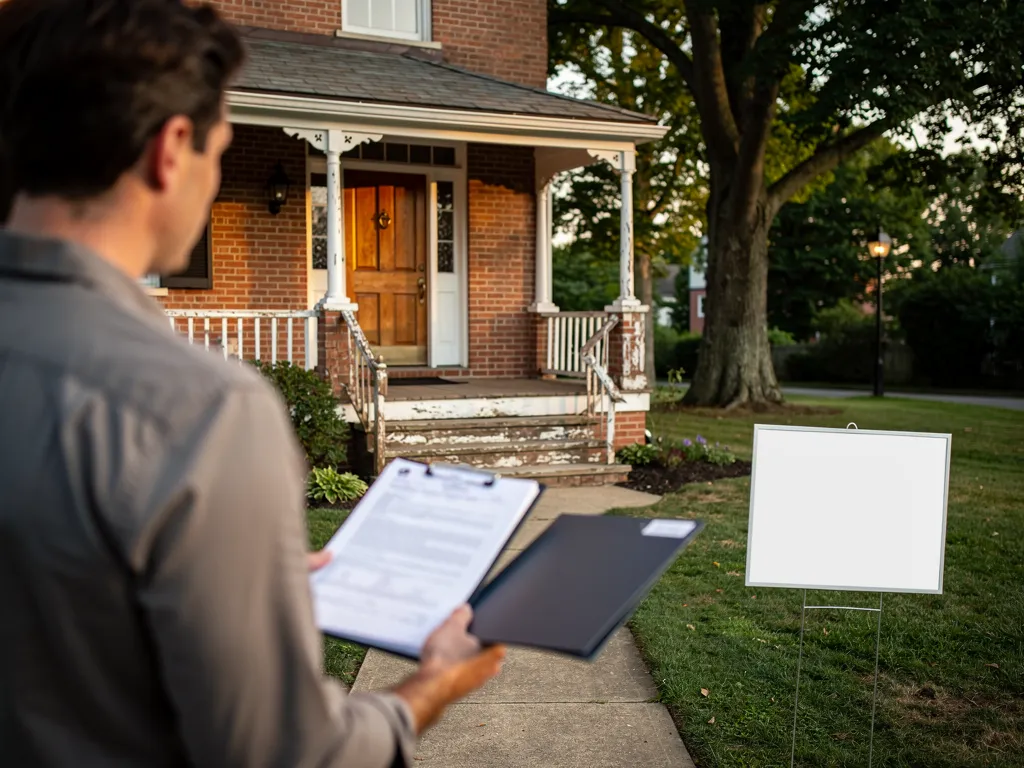
If you're facing a historic home foreclosure in Leesburg, selling quickly can be one of the most practical solutions. Working with cash buyers shortens the timeline and helps you resolve debts faster, especially when title, mortgage, and estate paperwork are ready ahead of time to speed up the closing process. Selling as-is saves additional time and money by avoiding repairs, making a quick sale more feasible.
Motivated sellers can take a few practical steps to strengthen their position further. Cash buyers remove lender delays and can close more quickly than financed buyers, so it helps to be clear about your deadline needs up front, ensuring offers and closing dates match your urgency. Keeping paperwork organized also reduces last-minute holdups and increases the chance of a timely, successful sale.
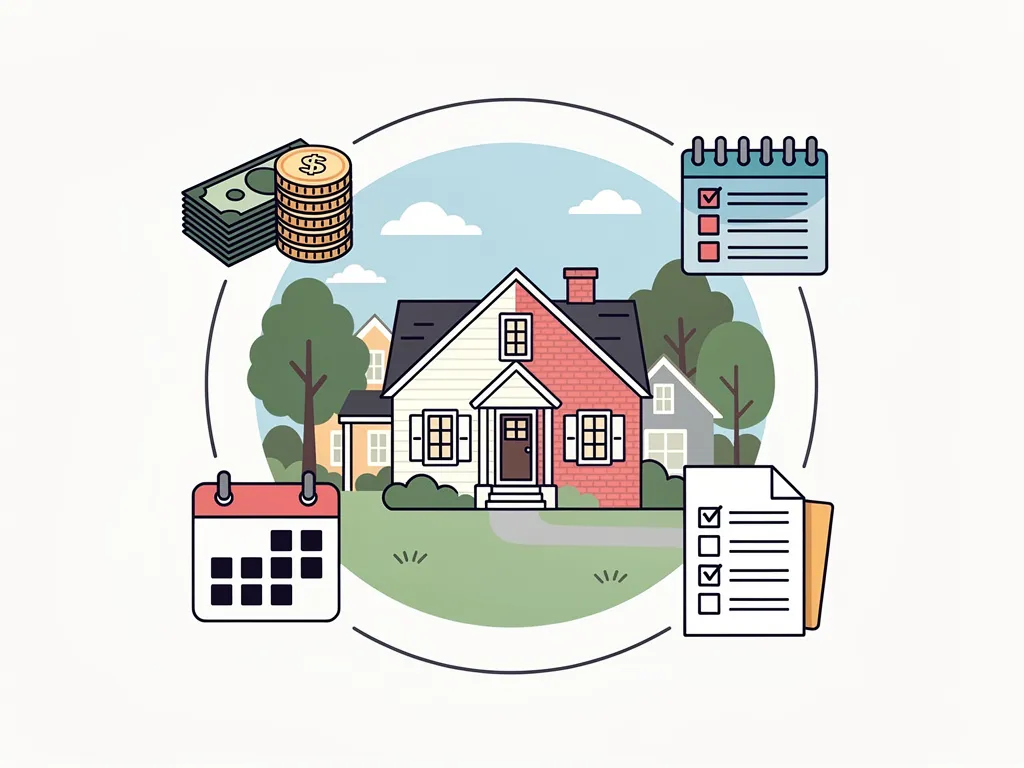
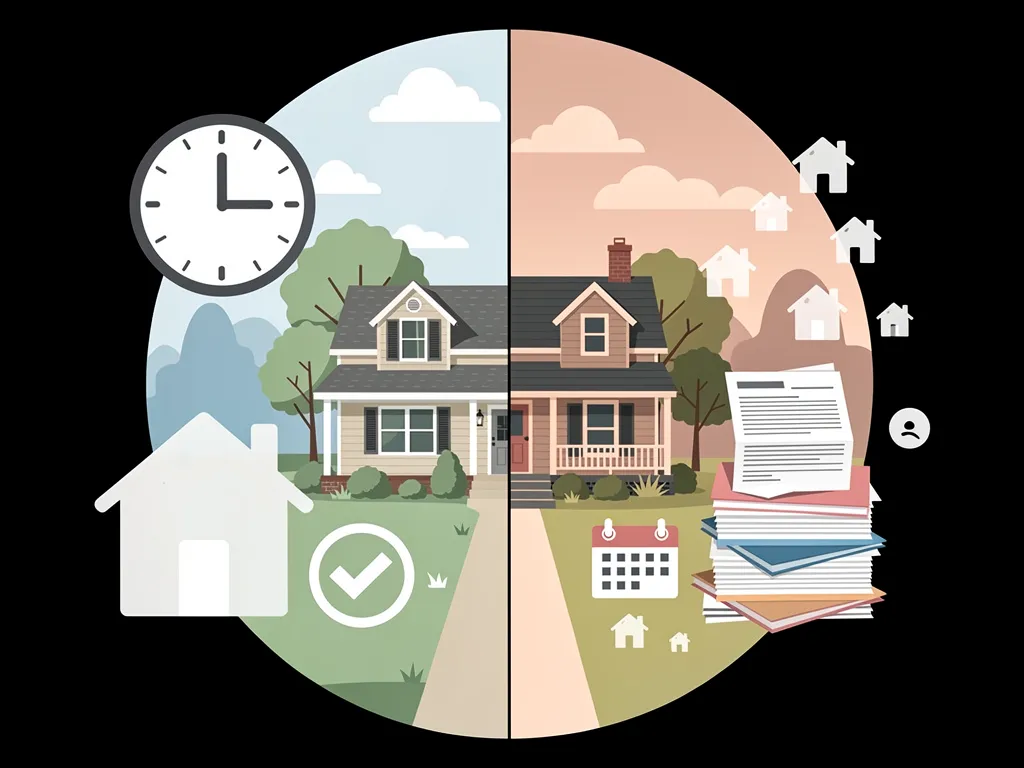
The differences between cash offers and traditional listings become especially clear in foreclosure situations, where speed and simplicity matter most. Cash transactions typically close much faster, which is critical when time is tight, and because cash buyers often purchase as-is, sellers avoid the need for costly fixes. Cash offers also cut out repeated showings and negotiations contingent on financing, making them an attractive option for sellers under pressure.
Selling a Probate or Inherited Historic Home
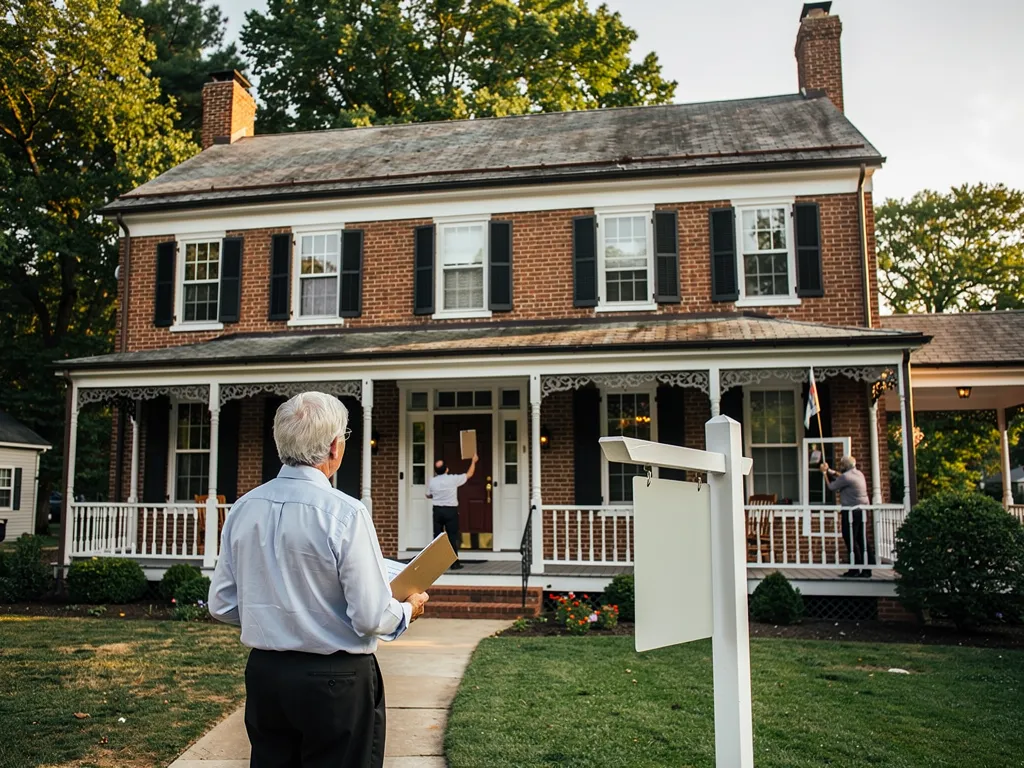
A probate home sale in Leesburg, or the sale of any inherited historic home in Northern Virginia, requires attention to several items. Probate sales follow specific legal steps, so sellers should confirm the executor has authority and follow court timelines closely. Local demand and recent sales of similar historic homes affect pricing, while valuation factors such as age, condition, historic designation, and period features all influence market value.
A typical Leesburg probate sale starts with confirming that the executor or personal representative has the court-approved authority to sell the property. From there, evaluating local demand and comparable sales helps set realistic expectations, and considering cash buyers can speed resolution of estate matters when time or costs are a concern. Addressing these points early helps the estate move toward a timely closing.

Divorce and Rental-Exit Sales
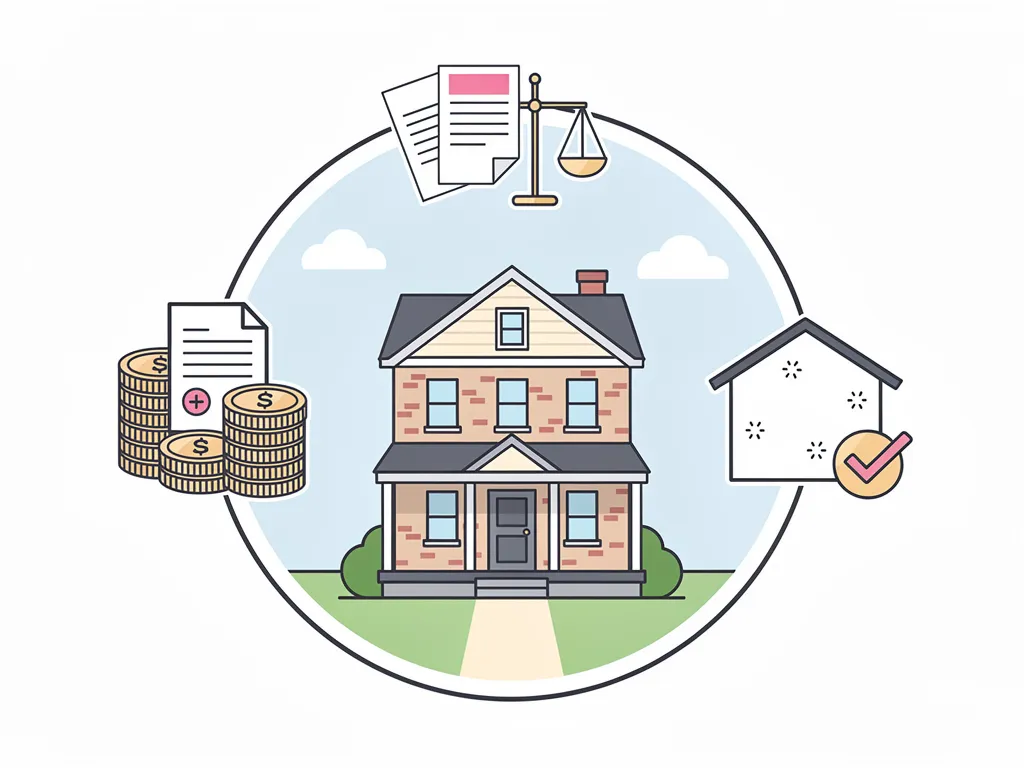
Sellers dealing with divorce or ending a rental investment have several effective options. Cash offers can close quickly so both parties can move on, and selling as-is removes the burden of tenant-related fixes or costly renovations. Clear, straightforward pricing also helps everyone involved understand the financial outcome.
When selling during a divorce specifically, focus on clarity and speed. Cash buyers can shorten the timeline and reduce negotiation stress, and selling as-is minimizes expense and conflict over repairs or staging. It also helps to favor offers with transparent terms and no hidden fees, so both parties know the net proceeds and can move forward with a firm timeline.
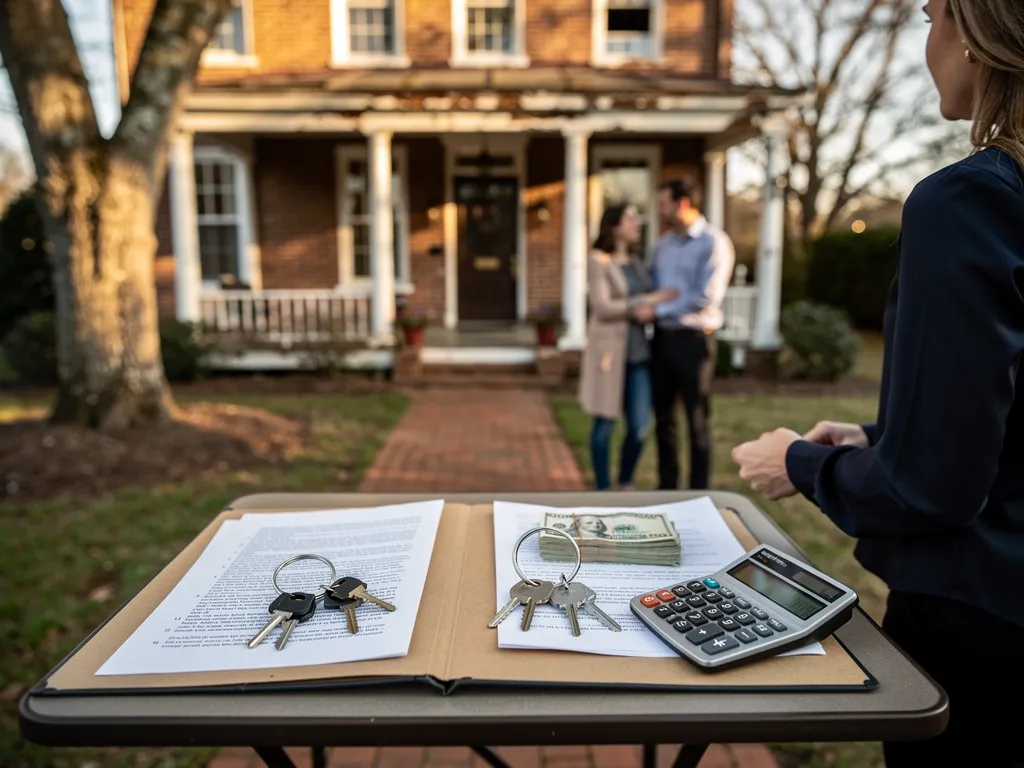
For landlords exiting a rental property, cash buyers reduce dependency on tenant cooperation and lengthy showings. Selling in the property's current condition also avoids coordinated repairs or lease overhauls, and clear, transparent pricing makes it easier to plan finances and next steps, helping landlords move properties quickly and with fewer complications.
Closing Costs in a Cash Sale

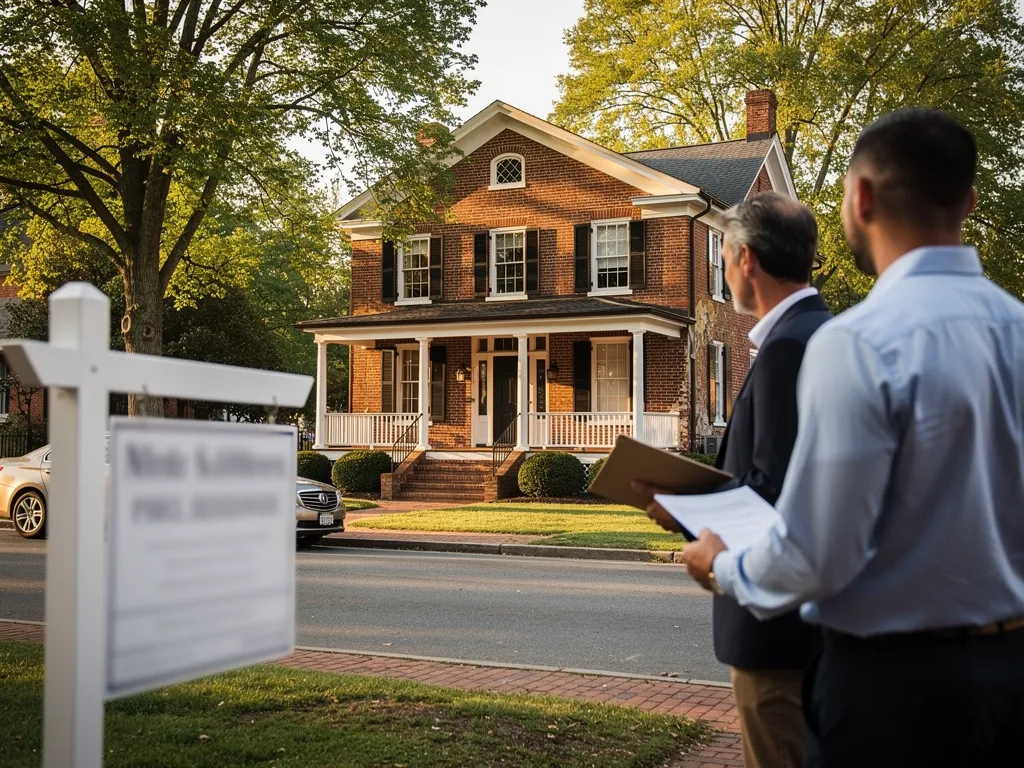
Closing costs for cash sales of historic homes generally include title insurance, which protects against ownership disputes; transfer taxes, the local or state fees for changing ownership; and recording fees, the charges to record the sale with local authorities. Knowing these typical costs helps sellers estimate net proceeds and plan negotiations.
Responsibility for these costs varies by deal, but sellers commonly cover title insurance and transfer taxes, while buyers may pay recording fees and other transaction-related items. Clear negotiation up front prevents surprises at closing.
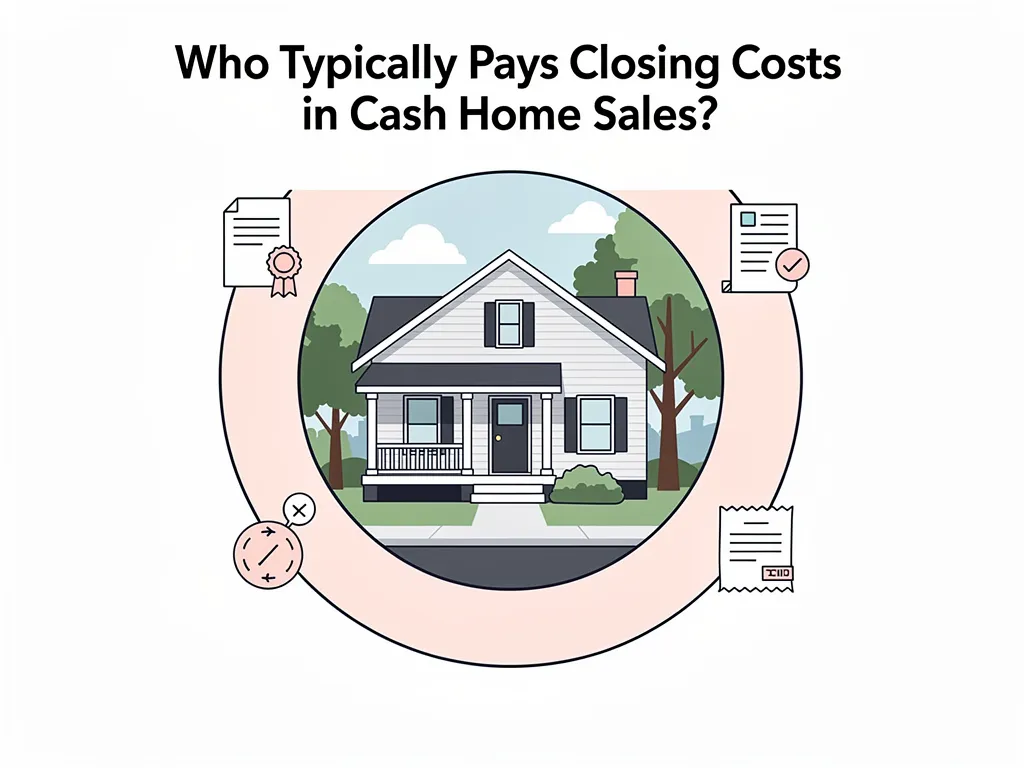
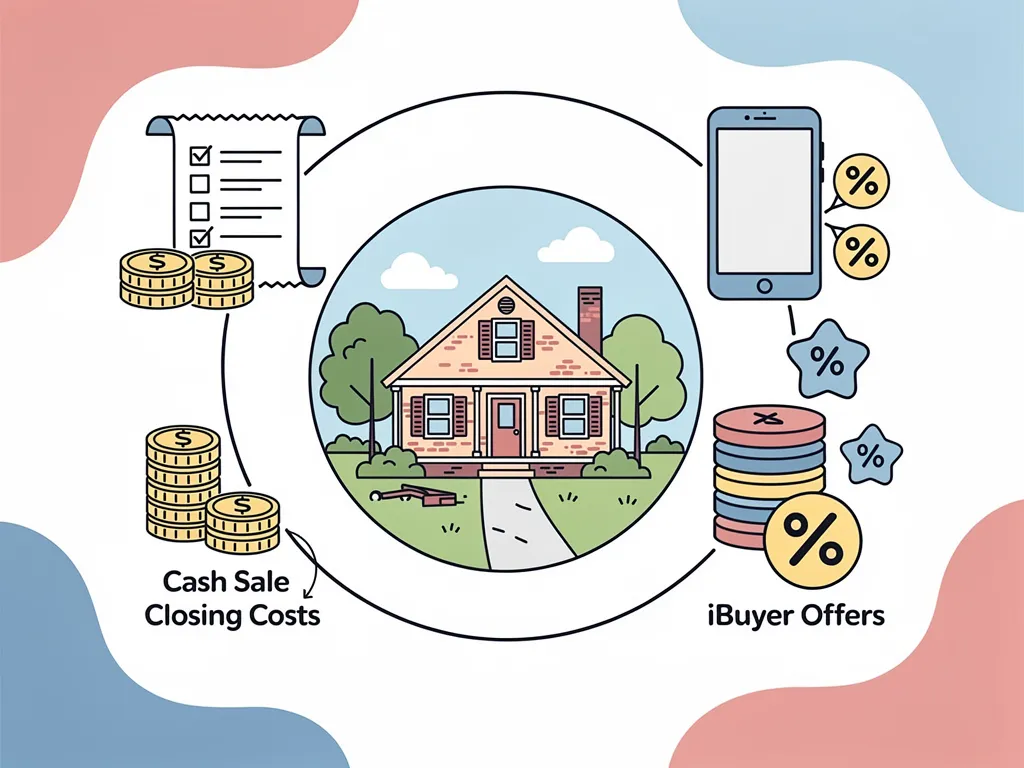
Comparing closing costs between cash buyers and iBuyers, cash sales can have lower closing costs because there are no lender fees or some platform service fees, and cash offers tend to present clearer, line-item costs that reduce confusion. Understanding the fee structure for each option helps sellers choose what maximizes their net proceeds.
Cash Offers vs. iBuyer Platforms

Cash home buyers in Leesburg and iBuyer platforms differ in ways that matter for historic homes. Cash buyers usually close faster, a benefit for motivated sellers, and their purchases often involve simpler, more predictable steps than some iBuyer models. Cash buyers are also more likely to accept properties as-is, while iBuyers may require updates or charge service fees. For many owners of historic homes, those differences make cash buyers a preferred route.
Key contrasts between cash offers and iBuyer proposals come down to structure and cost. Cash offers are typically direct and straightforward, while iBuyer proposals may include additional conditions or service charges that can reduce the seller's net proceeds. Knowing these differences helps sellers pick the option that fits their priorities: speed, simplicity, or maximum market exposure.
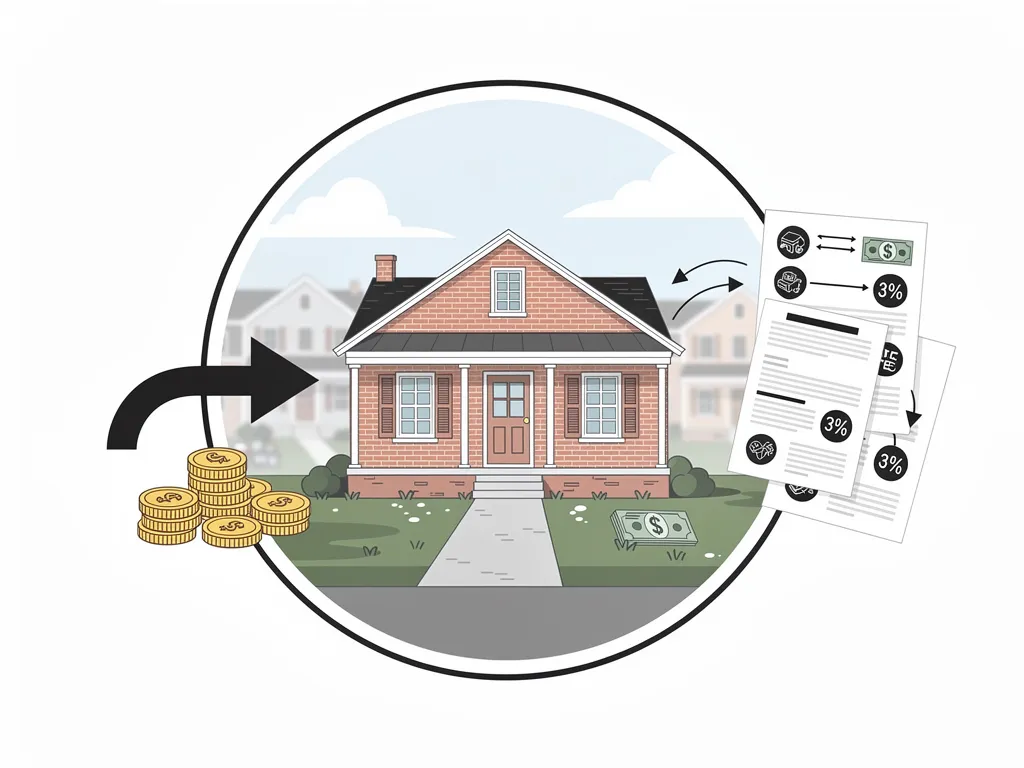
Here's a side-by-side look at how cash offers and iBuyer proposals typically compare for sellers of historic homes:
When speed and reliability matter most, cash buyers usually deliver. Cash transactions remove financing delays and often accept properties as-is, which reduces the time and effort required to close. For motivated sellers who need certainty and a quick timeline, all-cash offers are often the most efficient path.
Frequently Asked Questions
What should I know about the preservation guidelines for historic homes in Leesburg?
Preservation guidelines are meant to protect a property's architectural character. They can limit exterior changes and require approvals for certain repairs or renovations. These rules can affect what buyers are willing or able to do after purchase, so consult local preservation boards or an agent familiar with Leesburg's requirements before listing or accepting an offer.
How can I determine the fair market value of my historic home?
Fair market value depends on location, condition, historic designation, and recent sales of comparable properties. A qualified appraiser or a real estate agent experienced with historic homes can provide a clear valuation, accounting for unique features and local demand.
Are there tax implications when selling a historic home?
Yes—capital gains tax may apply if the property appreciated, and participation in preservation programs can create specific tax outcomes or credits. Speak with a tax professional who understands real estate and historic properties to evaluate your situation accurately.
What are the common challenges faced when selling historic homes?
Common challenges include strict preservation regulations, the cost of necessary repairs, and a narrower buyer pool. Pricing can be tricky because historic features add value for some buyers but additional expense for others. Working with a specialist in historic properties helps address these issues and find the right buyers.
What financing options are available for buyers interested in historic homes?
Buyers can use conventional loans, FHA loans, or renovation loans that finance both purchase and repairs. Some buyers may qualify for grants, tax incentives, or specialized programs aimed at preserving historic properties. Lenders familiar with historic-home financing can clarify options.
What role does a real estate agent play in selling historic homes?
An experienced agent helps with pricing, marketing, and navigating preservation rules. They connect you with buyers who appreciate historic properties, advise on which improvements (if any) to make, and manage negotiations and paperwork—support that often speeds and simplifies the sale. Learn more about working with expert agents on our blog.
About The Author
Eunice Johnson is a seasoned real estate professional with extensive experience in the Northern Virginia market, specializing in historic homes and cash sales. As a key team member at WeBuyNOVA, Eunice helps homeowners sell unique properties quickly and fairly, guiding them through each step with patience and care. Her expertise in preservation guidelines, market valuation, and streamlined transactions makes her a trusted advisor for motivated sellers in Leesburg and beyond.
Conclusion
Selling a historic home in Leesburg doesn't have to be slow or stressful. For motivated sellers, all-cash offers combined with expert guidance can deliver quick, transparent results—often without costly repairs or long waiting periods. Working with professionals like webuynova.com can help you get a clear offer within 24–48 hours and close on a timeline that fits your needs. Explore your options and take the first step toward a smooth sale today.
Contact Us
If you're ready to sell your historic home or have questions about the process, reach out to us. We proudly serve Leesburg and the surrounding Northern Virginia area, based out of Sterling, VA.
- 📞 Phone: 571-200-2365
- ✉️ Email: [email protected]
- 📅 Consultation: Schedule a consultation online
- 🌐 Website: webuynova.com
Research & Sources
This article draws on published research into how historic preservation rules affect property markets:
- Clark, D.E. (1997). Historical Preservation Districts and Home Sale Prices: Evidence from the Sacramento Housing Market. This study examines how preservation designation influences renovation costs and property values in protected districts, supporting the point that preservation guidelines can raise the cost of improvements compared with non-protected areas.
Sellers and buyers interested in the fuller context of preservation district effects on pricing are encouraged to consult the original study and consult local preservation boards for Leesburg-specific requirements.