Zero Fees and No Commissions Explained: How to Sell Your House Fast Without Realtor Costs
Zero Fees and No Commissions Explained: How to Sell Your House Fast Without Realtor Costs
Selling a home can be a daunting process, particularly given the costs associated with traditional real estate transactions. Many homeowners aim to sell quickly and efficiently, a goal that is often hindered by the burden of realtor fees and commissions. This article explores the concept of selling a home without realtor involvement, detailing the benefits and mechanics of a commission-free sale. It addresses the pain points homeowners face, offering an alternative solution that emphasizes speed and cost-effectiveness. Throughout the discussion, we will outline essential strategies and considerations for those using cash offers from direct buyers, highlighting the significant financial advantages while contrasting this approach with traditional real estate practices.
Key Takeaways
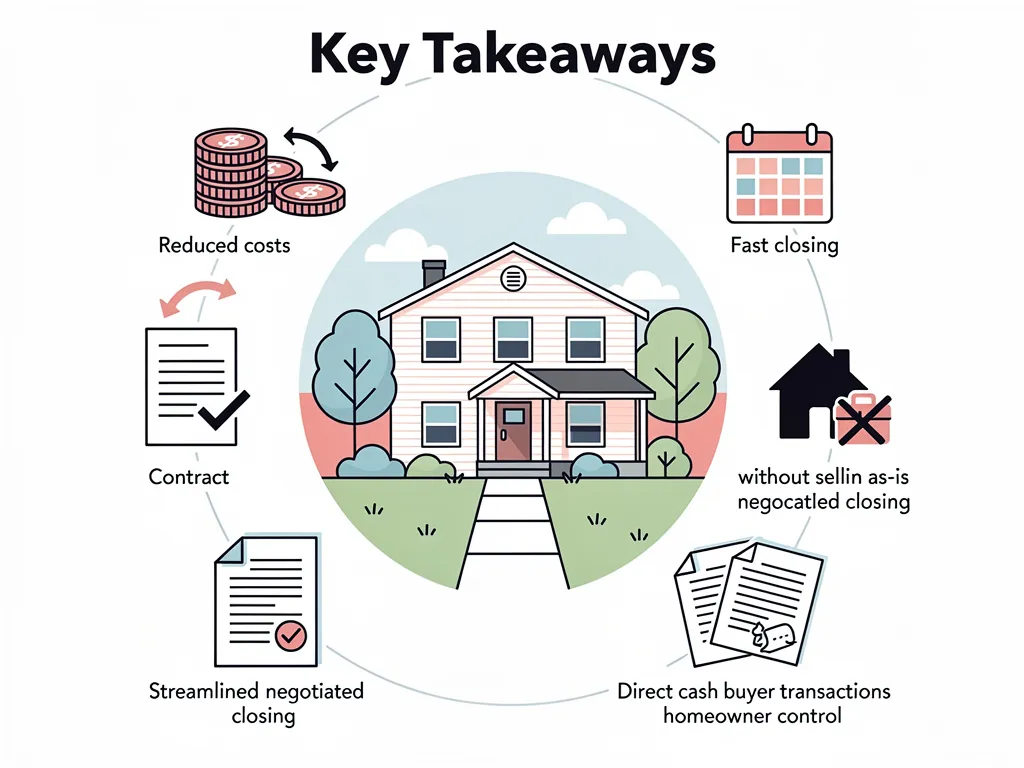
- Selling a home without realtor fees eliminates commissions, reducing overall transaction costs significantly.
- Direct sales to cash buyers enable faster transactions, often completing within days instead of weeks.
- Homeowners maintain greater control by negotiating directly with buyers without agent involvement.
- Cash buyers typically purchase homes as-is, saving sellers from costly repairs and renovations.
- Closing costs can be minimized or waived through negotiation and streamlined direct sale platforms.
- No commission sales benefit homeowners needing quick financial resolution or those in high-demand markets.
- Market trends show increasing preference for no commission sales, with over 30% of homes sold without agents.
- Engaging a real estate attorney is advisable to ensure legal compliance and protect seller interests.
- Sellers should prepare by assessing property value, decluttering, and gathering necessary documentation for smooth sales.
What Does Selling a Home with No Realtor Fees Involve?
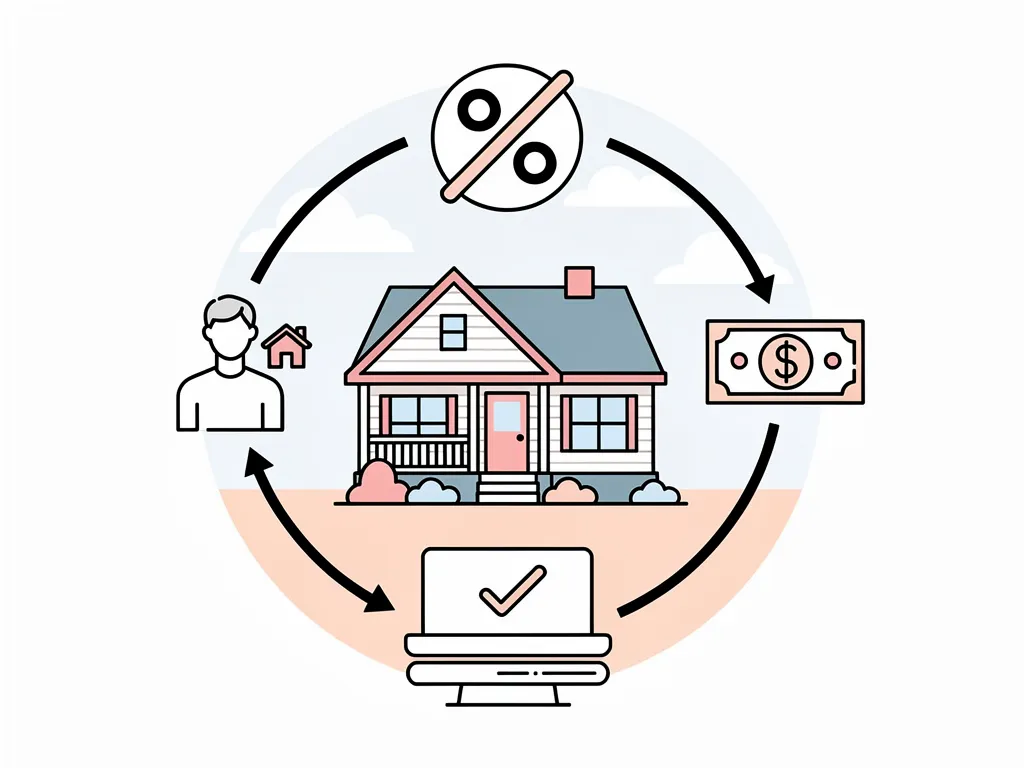
Selling a home without realtor fees means opting out of traditional real estate agents and their associated costs, such as listing fees or commissions on the final sale price. Instead, homeowners can work directly with cash buyers or utilize platforms that facilitate these transactions, allowing for a more streamlined process. This method has grown increasingly popular among those seeking to avoid hefty commissions, providing sellers with more control over their sales.
How Do No Commission Sales Work in Practice?
In practice, no commission sales typically involve direct negotiations between the homeowner and potential buyers. Important steps include:
- Property Assessment: Homeowners should assess their property’s value, often utilizing online valuation tools or consulting with direct buyers.
- Market Outreach: Sellers advertise their homes through various channels without relying on a realtor, which adds flexibility.
- Negotiation and Offer: Once interest is expressed, both parties negotiate directly, leading to a potential cash offer, often finalized through a purchase agreement.
- Documentation: Essential documentation, including disclosures and agreements, must be prepared to facilitate a smooth transaction without an agent's assistance.
This approach may result in a quicker sale, often within days rather than weeks, benefiting those in urgent financial need or wishing to avoid the prolonged listing process.
Who Benefits from Selling Without an Agent?
Homeowners who benefit the most from selling without an agent typically include those with properties in high demand or those needing quick financial resolution. Specifically, this method favors:
- Individuals in Distress: For owners facing foreclosure or significant financial burden, a direct sale can alleviate pressure.
- Landlords: Those looking to liquidate rental properties quickly without the waiting period often associated with tenant turnover benefit from this model.
- Homeowners in Hot Markets: Individuals situated in areas with high buyer demand might find that avoiding commissions can yield higher net proceeds.
Testimonials from sellers reveal that the process not only provides financial relief but also a sense of empowerment by being directly involved in their dealings.
What Are the Financial Advantages of Cash Home Buyers Without Commissions?
The financial benefits of selling to cash home buyers are substantial, particularly in comparison to traditional sales involving realtor commissions.
How Does a Cash Sale Save Sellers Money Compared to Traditional Sales?
Selling a home through a cash sale eliminates various costs typically associated with traditional sales, such as:
- Real Estate Commissions: Traditional sales can incur commissions of around 5-6% of the selling price.
- Closing Costs: Standard closing costs, often ranging from 2-5% of the home's price, can be avoided with cash buyers.
- Repairs and Renovations: Cash buyers are often willing to take properties as-is, eliminating the need for costly preparations to attract buyers.
The result is a more favorable bottom line, with sellers frequently experiencing quicker and less complicated transactions.
What Are Common Cash Home Buyer Offer Structures?
Cash home buyer offers typically involve:
- Full Purchase Price Offers: Cash buyers may make an offer for the entire property price upfront, negating the need for financing.
- Contingency Terms: Offers might include clauses that outline conditions, such as home inspections or timeframes for closing.
- Flexibility in Closing Dates: Cash buyers often provide sellers with the flexibility to determine when to close, rather than enforcing rigid timelines.
Understanding these structures can help sellers better navigate negotiations and maximize their financial outcomes.
How Can Sellers Avoid Closing Costs When Selling Their Property?
Sellers looking to minimize or avoid closing costs have several strategies at their disposal.
What Closing Costs Do Sellers Typically Pay?
Closing costs that sellers usually encounter can include:
- Title Insurance: Protects the buyer against potential defects in the title.
- Transfer Taxes: Fees imposed by the government when property ownership changes.
- Attorney Fees: Costs associated with legal representation during the transfer of property title.
These costs typically average between 2-5% of the home’s sale price, significantly impacting seller profits.
What Are the Methods to Waive or Reduce Closing Costs in No Fee Sales?
Several approaches can help mitigate closing costs:
- Negotiate Terms: Sellers can negotiate who will pay specific closing costs with buyers, sometimes offering to cover some costs in exchange for a quicker sale.
- Limited Repairs and Inspections: In cash transactions, buyers might waive certain inspections, reducing associated fees.
- Direct Sale Platforms: Utilizing platforms that cater to cash buyers may result in fewer fees, as they often streamline the closing process.
These strategies ensure that sellers keep more of the proceeds from their sales rather than diverting them to closing expenses.
How Does Selling to Direct Buyers Differ from Traditional Agent-Guided Sales?
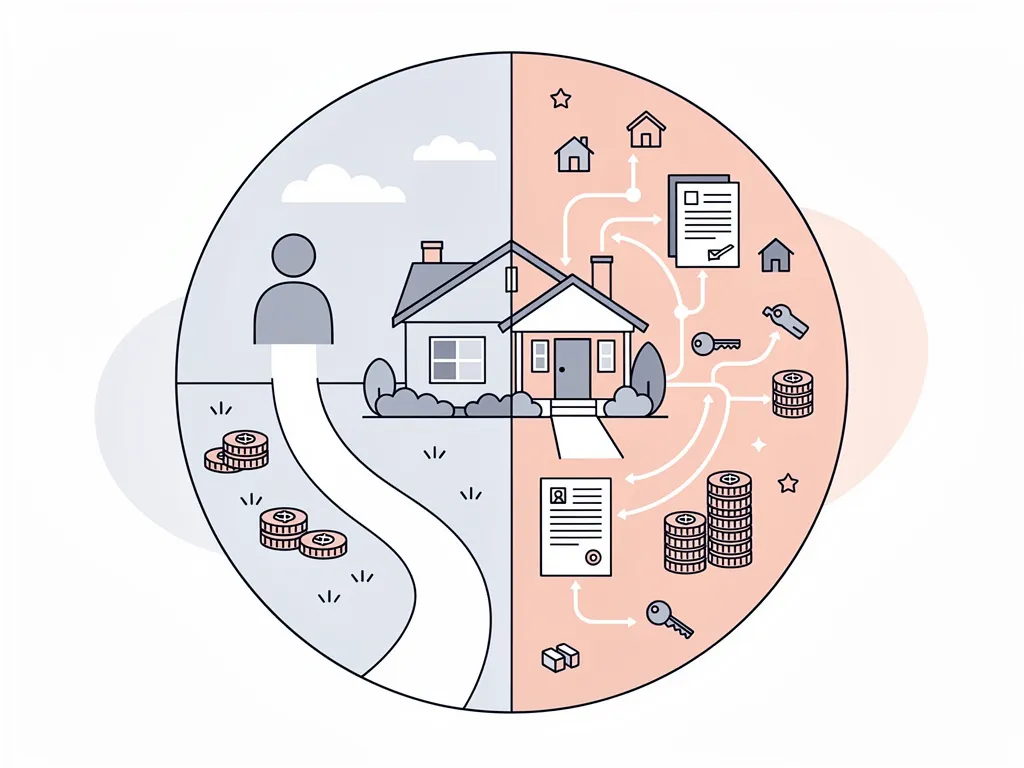
Understanding the differences between selling to direct buyers versus traditional agent-guided sales is crucial for homeowners looking to maximize their sale potential.
What Are the Key Differences Between Direct Buyer and Agent Listings?
Several key distinctions include:
- Cost: Selling directly typically incurs fewer expenses since there are no commissions to pay.
- Speed of Sale: Direct sales often occur much faster, with transactions sometimes completing in as little as a week.
- Seller Control: Homeowners maintain greater control over the selling process and can negotiate terms directly with buyers.
These factors demonstrate the potential for increased efficiency and profitability in direct sales compared to traditional methods.
What Are the Typical Steps in a Direct Buyer Home Sale?
The primary steps usually include:
- Initial Contact: Homeowners reach out directly to interested buyers or platforms specializing in cash offers.
- Property Evaluation: Buyers assess property value, often through quick walkthroughs.
- Offer Submission: Buyers submit cash offers based on their assessments.
- Closing the Sale: Once terms are agreed upon, sellers can finalize the sale often in days, without extensive waiting periods.
This clearly defined process highlights how direct sales can streamline transactions for sellers.
What Industry Data Supports the Growing Preference for No Commission Home Sales?
Recent trends suggest a remarkable rise in the preference for no commission sales as homeowners seek alternatives to traditional methods.
What Do 2026 Market Studies Reveal About Seller Trends?
Market studies indicate a substantial increase in the number of homeowners opting for direct transactions. As of 2023, it is estimated that over 30% of home sales occur without the involvement of real estate agents, highlighting a shift in consumer behavior. This trend is largely driven by increasing awareness of the potential for saving money and time by avoiding traditional commissions and the complexities of agent negotiations.
While FSBO properties may not always sell faster or with higher certainty, they can achieve pre-commission prices comparable to MLS listings.
FSBO vs. MLS: Commission Prices and Sales Effectiveness AbstractWe compare house sales on a For-Sale-By-Owner (FSBO) platform to MultipleListing Service (MLS) sales and find that FSBO precommission prices are nolower, but that FSBO is less effective in terms of time to sell and probability ofa sale.The relative performance of real estate marketing platforms: MLS versus FSBOMadison. com, I Hendel, 2009
How Do Commission Savings Impact Seller Decision-Making?
Commission savings play a critical role in influencing seller decisions on how to approach property sales. Homeowners often report choosing direct sales as a viable option when faced with the high cost of commissions charged by traditional agents. This financial consideration not only impacts their choices but also encourages a deeper understanding of the real estate market's dynamics.
The growing trend towards no fee sales emphasizes the need for adaptability in real estate, allowing sellers to capitalize on the financial benefits of cash offers and direct negotiations with buyers.
| Offering Structure | Average Percentage | Common Terms |
|---|---|---|
| Cash Offers | 100% of Purchase Price | No Contingencies |
| Financing Offers | 80-90% of Purchase Price | Subject to Appraisal |
| Flexibility Offers | Negotiable | Custom Closing Dates |
This table demonstrates how different offering structures can lead to unique negotiation scenarios, influencing seller decisions during the transaction process and ensuring clarity in deals.
Frequently Asked Questions
What should I do to prepare my house for a direct sale?
Preparing your house for a direct sale primarily involves decluttering, cleaning, and making necessary minor repairs. While cash buyers typically purchase homes 'as-is', a tidy presentation can enhance appeal and facilitate quicker negotiations. Consider performing a basic assessment of your property's condition to ensure that there are no glaring issues that might deter buyers. Additionally, gather all necessary documentation, including past repair records and title information, to streamline the selling process.
Can I still use a real estate attorney when selling without a realtor?
Yes, engaging a real estate attorney when selling without a realtor is highly advisable. An attorney can assist with contract preparation, ensure compliance with local laws, and review any offers you receive. They can also help clarify terms and conditions, making sure your interests are protected during the negotiation process. This professional guidance can prevent potential pitfalls and provide peace of mind as you navigate the sale independently.
Are there risks associated with selling my home without a realtor?
While selling without a realtor can save on commissions, there are risks involved. One main concern is underpricing or overpricing your home. Without an agent’s expertise, determining an appropriate listing price becomes challenging and may result in financial loss. Additionally, you might lack market exposure if your outreach efforts don’t reach potential buyers effectively. Lastly, handling the legal and logistical aspects of a sale independently may lead to mistakes if you're not well-versed in real estate transactions.
How long does the process of selling my house without a realtor typically take?
The duration of selling a house without a realtor can vary widely, but many transactions can be completed within a few days to a couple of weeks. Cash transactions are generally faster since they involve fewer contingencies and less bureaucracy compared to traditional sales. However, the overall timeline will depend on factors like how quickly you can reach an agreement with a buyer, the efficiency of your documentation process, and any negotiations that may arise.
What types of properties are best suited for a direct sale?
Properties that are often best suited for direct sales typically include those that may require extensive renovations or are not in pristine condition. Investors and cash buyers tend to seek out homes that can be acquired quickly without renovation costs. Additionally, properties in high-demand areas or those owned by sellers facing urgent financial needs may attract cash buyers more readily. Overall, any property where the owner wishes to avoid lengthy negotiations or agent fees can benefit from a direct sale approach.
Are there tax implications for selling my home without using a realtor?
When selling a home without a realtor, there can still be tax implications, particularly concerning capital gains taxes. If your home has appreciated significantly since purchase, you may owe capital gains taxes on the profit. However, there are exemptions available, such as the IRS exclusion for gains on the sale of a primary residence if certain conditions are met. It's wise to consult a tax professional to understand your specific situation and any potential liabilities that may arise from the sale.
Conclusion
Opting to sell your home without realtor fees empowers you to retain more of your hard-earned equity while expediting the sales process. This approach allows for direct negotiations, streamlined transactions, and significant savings that traditional methods often undermine. To start capitalizing on these advantages, explore our resources and platforms designed specifically for cash home sales. Harness the freedom of direct sales and take control of your property transaction today.
About the Author
Eunice Johnson is a real estate expert with over a decade of experience in the Sterling, VA housing market. As a cash home buyer at WeBuyNOVA, she works with motivated home sellers throughout Northern Virginia to build realistic plans and navigate local market conditions. Eunice specializes in helping homeowners sell their homes quickly and efficiently, particularly through cash sales, and is passionate about educating sellers on their options with transparent, data-driven advice. Her practical approach and commitment to clear communication make her a trusted partner for sellers seeking to sell a home quickly for cash.
Contact Us
Ready to sell your home fast, without realtor fees or commissions? Reach out to WeBuyNOVA today for a no-obligation cash offer.
- Phone: 571-200-2365
- Email: [email protected]
- Book a Consultation: Schedule a meeting with WeBuyNOVA