Sell House with Code Violations: Selling a House With Code Violations
Sell House with Code Violations: Selling a House With Code Violations
By WeBuyNOVA Editorial Team · Updated 2026-08-29
Homeowners researching selling property with code violations VA have a direct option: sell house as is Northern Virginia through cash buyers like WeBuyNOVA, without repairs, permits, or inspections. Unpermitted work, structural defects, and zoning issues do not block a sale. As one of the cash home buyers Northern VA code violations sellers turn to, WeBuyNOVA evaluates the property, extends a cash offer, and closes on a timeline set by the seller, eliminating contractor delays and financing contingencies entirely.
Key Takeaways
- Code violations require disclosure to buyers in Northern Virginia before completing any sale transaction.
- Minor violations often don't prevent sales, but significant violations substantially reduce buyer interest and property value.
- WeBuyNOVA purchases houses with code violations for cash, eliminating repair requirements for sellers.
- Fixing violations before sale attracts traditional buyers but costs thousands of dollars in repairs and permits.
What Should You Know Before Selling With Violations?
Northern Virginia homeowners can sell a house with code violations. The path chosen shapes the timeline, the pool of interested buyers, and how smoothly the transaction unfolds. Unresolved permit issues, zoning discrepancies, or safety citations do not automatically block a sale. They do, however, narrow the options available and require a clear strategy from the start.
Confusion often centers on one question: must every violation be corrected before listing, or can the property move forward as-is? Both routes exist. Traditional buyers using mortgage financing typically require repairs before closing, since lenders order inspections that flag open violations. A property violations buyer purchases the home in its current condition, skipping that repair requirement entirely.
Do Traditional Buyers Accept Homes With Violations?
Traditional buyers rarely accept homes with unresolved violations without price concessions or repair contingencies. Significant issues, such as structural damage or unpermitted additions, can stall or completely prevent a sale through conventional listing channels.
How Does the Standard Selling Process Factor In?
Sellers benefit from understanding how a typical Northern Virginia home sale unfolds before deciding how to address violations. That baseline knowledge clarifies which steps a violation affects. Which remain unchanged, making it easier to compare a nova code violation sale against a standard listing.
Before choosing a path, sellers should weigh the following:
- Severity of the violation and whether it affects habitability or safety
- Whether repairs are financially or logistically feasible before listing
- Timeline constraints, including inherited property deadlines or foreclosure pressure
- Buyer pool differences between financed offers and direct cash purchases
Homeowners who want to sell a house with code violations without funding repairs first typically find a faster, more predictable outcome by working with a buyer prepared to purchase as-is.
What Counts as a Code Violation in Northern Virginia?
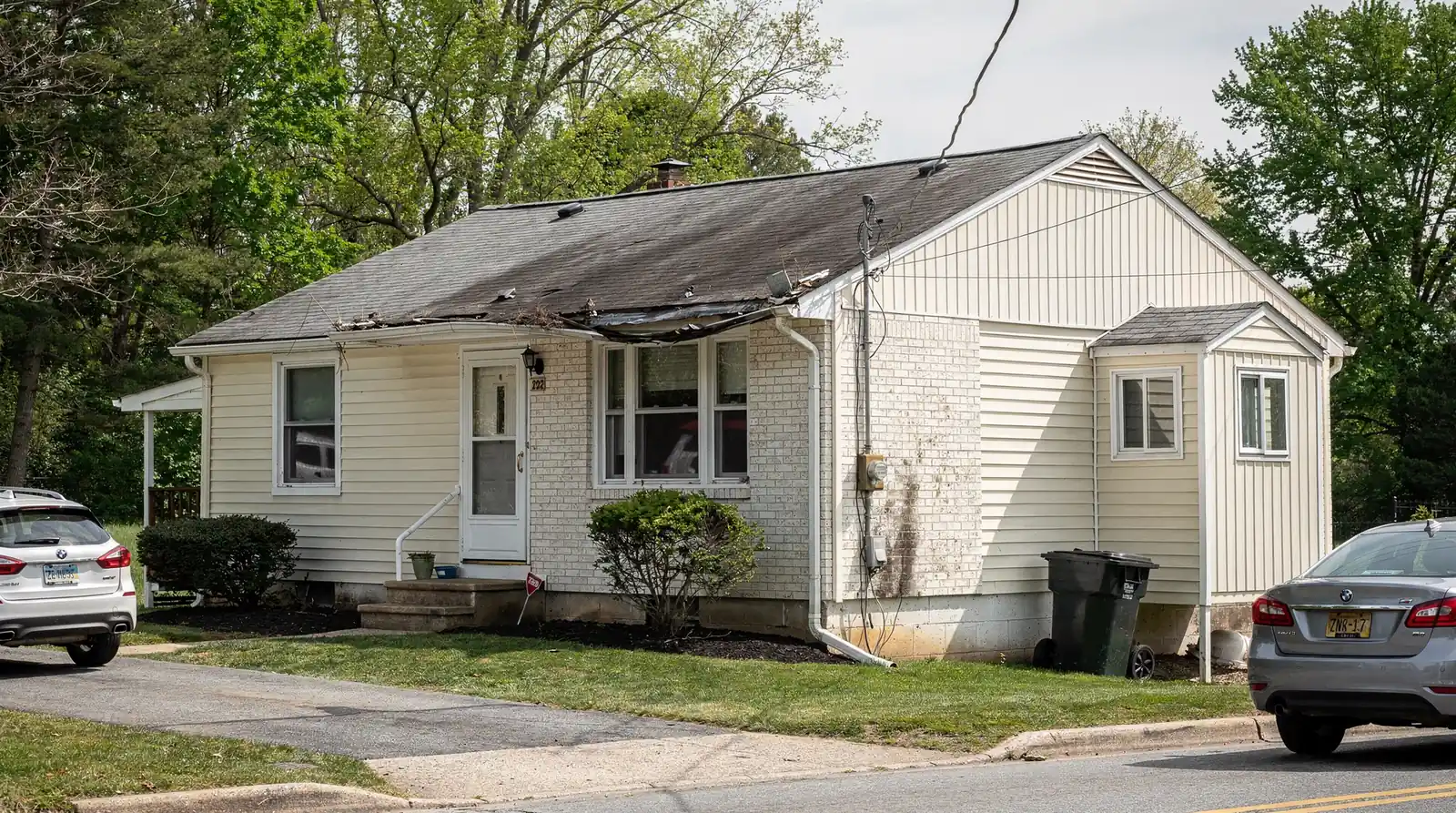
A code violation occurs when a property fails to meet local safety or building rules set by the county or municipality where it sits. Properties across Fairfax, Loudoun, Prince William, and Arlington counties fall under these standards, and gaps between what exists and what code requires create the violation. Homeowners rarely set out to break these rules; the issues accumulate over years of ownership.
Certain problems appear again and again in inspection reports. Faulty wiring, plumbing leaks, roof damage, mold growth, missing handrails, broken windows, and illegal room additions rank among the most common findings. Each carries its own risk profile, from immediate safety hazards to slower structural decline.
Why Do Older Homes Have More Violations?
Age matters more than most sellers expect. Violations show up far more often in older construction, though any property, regardless of build year, can develop one. Decades-old wiring or plumbing installed before current standards existed rarely meets today's requirements without upgrades.
What Usually Causes a Violation?
Most violations trace back to DIY repairs and renovation projects completed without proper permits or inspections. Subpar work from hired contractors causes the rest. Northern Virginia homeowners commonly encounter these issues through:
- Old repairs completed without pulling permits
- Unpermitted additions or structural changes
- Outdated electrical or plumbing systems never updated to current code
A sell house with code violations transaction becomes relevant once a homeowner recognizes any of these conditions on the property. Identifying the specific violation type early shapes every decision that follows, from disclosure requirements to buyer selection.

How Do You Sell a House With Code Violations?
Selling a Northern Virginia property with open code issues follows a specific sequence of steps, not a single decision. Homeowners across Loudoun, Fairfax, and Prince William counties can move a violation-flagged home to closing by following a defined process rather than guessing at requirements. Existing violations do not automatically make a Northern Virginia home unsellable, even when the issues involve structural damage or unpermitted additions.
Each county and city in Northern Virginia enforces its own building requirements. Standards for permits, electrical work, and occupancy vary from one jurisdiction to the next. This patchwork makes it difficult for homeowners to track every applicable regulation on their own. A homeowner in Fairfax County may face different disclosure rules than one in Prince William County, even for a similar violation.
What Steps Should a Homeowner Take First?
Start by pulling the property's violation history from the local zoning or code enforcement office. This document becomes the foundation for every decision that follows.
- Request the official violation report from the county or city code enforcement department.
- Review disclosure obligations required under Virginia law before listing or marketing the home.
- Contact a specialized buyer familiar with as-is sales, since a property violations buyer evaluates homes differently than a traditional lender-backed purchaser.
- Compare offer terms side by side rather than accepting the first proposal received.
- Confirm closing timeline and any conditions tied to the violation before signing.
Clear disclosure and honest communication with prospective buyers allow the sale to move forward without stalling in negotiations. Sellers facing violations are not limited to one path; several viable options exist for proceeding.
| Path | Repairs Required | Typical Buyer |
|---|---|---|
| Traditional listing | Often yes | Owner-occupant |
| NOVA code violation sale | No | Investor or cash buyer |
For homeowners who want to sell house with code violations without funding repairs first, WeBuyNOVA offers a fast cash evaluation for properties throughout Northern Virginia, addressing unpermitted work, structural concerns, and inherited non-compliant homes without requiring upfront fixes.
Should You Sell to a Property Violations Buyer or Repair First?
Two paths exist for homeowners facing code violations in Northern Virginia: repair the property before listing, or accept an as-is offer from a specialized buyer. Neither path guarantees an easy sale. The decision affects the timeline, the pool of interested buyers, and how smoothly the transaction unfolds once violations surface during inspection.
Homeowners who choose to sell a house with code violations without repairs skip permit applications, contractor scheduling, and re-inspection delays entirely. Those who repair first may attract traditional buyers using conventional financing. Many lenders will not approve loans on properties with open violations. That advantage comes at a cost: repair timelines in Virginia often stretch for weeks or months, depending on the scope of unpermitted work or safety issues involved.
Is repairing violations before selling worth it?
Repair work makes sense only when the violations are minor and the homeowner has time and capital to spare. For structural issues, extensive unpermitted additions, or inherited properties with unknown compliance history, repairs can consume resources without guaranteeing a faster sale.
What does a property violations buyer offer instead?
A property violations buyer purchases the home in its current condition, eliminating permit delays and repair costs. WeBuyNOVA, based in Sterling, VA, serves homeowners who want to sell non compliant house Sterling VA properties, along with sellers throughout Northern Virginia, including Loudoun County.
| Approach | Typical Timeline | Buyer Pool |
|---|---|---|
| Repair first | Weeks to months | Broader, financing-eligible buyers |
| Cash sale as-is | About 7 to 14 days | Cash buyers specializing in a nova code violation sale |
What Mistakes Should You Avoid When Selling?
Three missteps cause the most damage for Northern Virginia homeowners facing property violations: staying silent, underestimating the issue, and assuming there is only one way forward. Each mistake narrows the buyer pool and stalls a sale that could otherwise close quickly.
Concealing a significant violation ranks as the costliest error. Minor issues rarely derail a transaction. Serious problems can stop a sale before it even starts once buyers or inspectors uncover them. Disclosure early protects the timeline and preserves trust with any buyer considering the property.
Are DIY Repairs a Common Source of Violations?
Yes. Many Northern Virginia sellers assume small fixes carry no risk, yet DIY repairs and renovations frequently trigger code issues. Subpar contractor work causes the same problem, even when the homeowner never touched the project. Treating unpermitted work as harmless is a mistake that surfaces during inspection.
Is There Only One Way to Sell With Violations?
No. Sellers often believe repairs are mandatory before listing, but several paths exist for moving forward. Homeowners can:
- Disclose violations upfront and price accordingly
- Pursue permits or repairs before listing
- Work with a property violations buyer experienced in as-is purchases
A nova code violation sale through an established cash buyer avoids repair costs entirely. For sellers who want to sell house with code violations without renovation delays, exploring every option prevents unnecessary spending and lost time.
FAQ
Can you sell a house in Northern Virginia with code violations?
Yes, homeowners sell properties as-is without repairs, permits, or inspections through cash buyers like WeBuyNOVA. ### Do you have to fix violations before selling?
No, fixing violations is not required. WeBuyNOVA evaluates the property, extends a cash offer, and closes on the seller's timeline, eliminating contractor delays and financing contingencies.
Will traditional buyers purchase a home with violations?
Significant issues like structural damage or unpermitted additions stall or prevent conventional listing sales.
Conclusion
In closing, selling a house with code violations in Northern Virginia requires a strategic approach that acknowledges both regulatory compliance and market realities. Property owners benefit from understanding their options—from remediation. Traditional sale to direct cash transactions that eliminate prolonged negotiations and repair obligations. The path forward depends on individual circumstances, timeline constraints, and financial considerations. Consulting with local real estate professionals and code compliance specialists ensures informed decision-making aligned with your specific situation.
About the Author
Eunice Johnson is an experienced real estate agent focused on Northern Virginia. As a cash home buyer at WeBuyNOVA, she works with motivated home sellers to build realistic plans and navigate the local market. Her practical approach and commitment to clear communication make her a trusted partner for sellers seeking to sell a home quickly for cash.
Contact Us
Homeowners ready to discuss a property with code violations can reach WeBuyNOVA directly:
- Phone: 571-200-2365
- Email: [email protected]
- Book a consultation: Schedule a meeting