Repair Credit Options: DIY vs Professional Service
Repair Credit Options: DIY vs Professional Service
Repair credits give sellers control over closing costs without hiring contractors. Personal repairs satisfy safety or loan-approval requirements an appraiser demands. Sellers facing HVAC, electrical, or roof issues often choose credits to avoid delays. Companies like WeBuyNOVA purchase homes as-is, eliminating this decision entirely by removing repair negotiations from the sale process altogether.
Key Takeaways
- Safety issues and major systems require seller repairs, not credits, for loan approval.
- Moderate plumbing and electrical problems typically resolve cleaner through closing cost credits.
- Contract wording for repair credits significantly impacts your financial outcome after closing.
- Three-bucket triage system organizes inspection findings: safety, major systems, and cosmetic concerns.
What happens after an inspection reveals problems?
A home inspection report listing dozens of items does not automatically doom a sale. Sellers who understand what comes next can respond strategically instead of panicking over every line item, starting by sorting findings into three categories rather than reacting to the whole list at once. Safety and major-system concerns, an aging HVAC unit, electrical hazards, roof damage, active leaks, or structural questions, deserve real attention. Aging-but-functioning items, the kind expected in an older home, rarely justify a fight. Purely cosmetic issues belong at the bottom of the pile and often get ignored entirely.
How a seller responds shapes the rest of the negotiation. A scattershot list of forty small complaints tends to make sellers defensive and less willing to compromise. A short, targeted request focused on the major-system items signals a serious buyer and keeps the deal moving.
Should sellers always negotiate repair credit options?
Not every inspection issue calls for the same response. Reviewing available repair credit options against the three-bucket framework helps sellers decide where flexibility makes sense and where it does not.
What if a seller wants to avoid this process altogether?
Some sellers skip repair negotiations by choice rather than working through the three-bucket framework at all. Instead of sorting findings, requesting fixes, or negotiating a credit, they look for a buyer willing to take the home exactly as it sits, sidestepping the inspection back-and-forth before it starts.
That last option removes the entire negotiation cycle. As-is cash buyers purchase homes regardless of condition, sidestepping repair requests before they start.
Should you accept a repair credit or repairs?
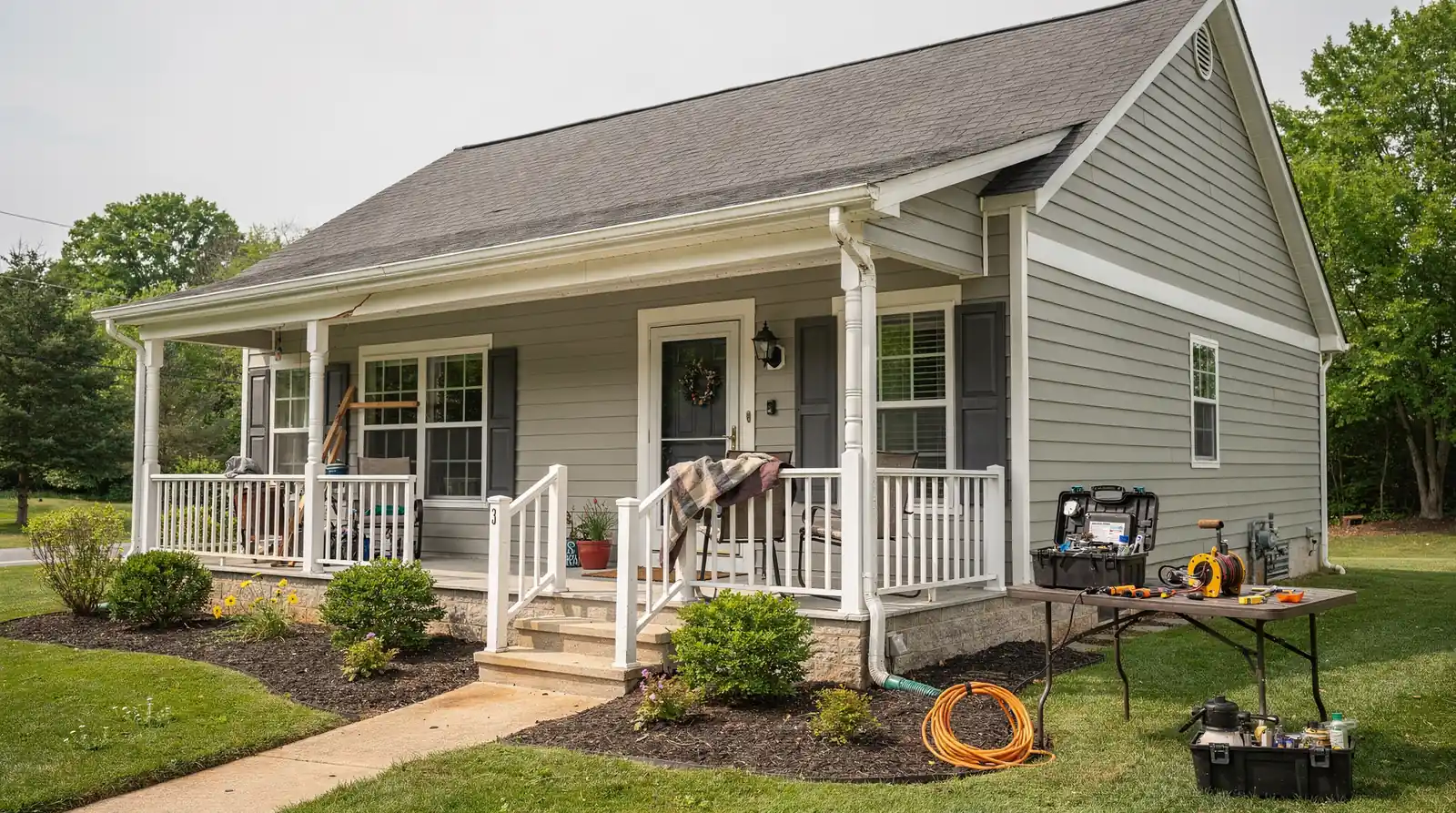
The right choice depends on what the inspection found, not on personal preference. Safety hazards and loan-blocking issues call for an actual repair; moderate cosmetic or system problems favor a cash credit instead. Homeowners weighing repair credit options against contractor-managed fixes need a clear rule, not a coin flip.
Start with the issue itself. Faulty wiring, a failing furnace, or anything an appraiser or lender flags should get fixed before closing. A loan can stall without it. Sellers should request the repair itself in these cases. The buyer's financing depends on it, and permits or re-inspections often need to happen anyway.
For less urgent problems, like an aging water heater or a minor plumbing leak, a credit for repairs tends to work better for everyone. Sellers under contract often go with the cheapest contractor available, which means the buyer inherits whatever quality that bid delivers. A credit shifts control to the buyer, who can hire someone reliable and pay for the job actually needed.
Does a repair credit slow down closing?
Not typically. A credit gets negotiated into the closing statement rather than scheduled as separate work. It avoids the delays that come with finding contractors and waiting on completed repairs.
Is it ever smarter to skip repair negotiations altogether?
Yes, for sellers who would rather avoid the back-and-forth entirely. Homeowners who sell with repair credit headaches already weighing on them can instead work with a cash buyer that purchases the property as-is, removing renovation costs and the repair-quality gamble in one step.
What are your repair credit options at closing?
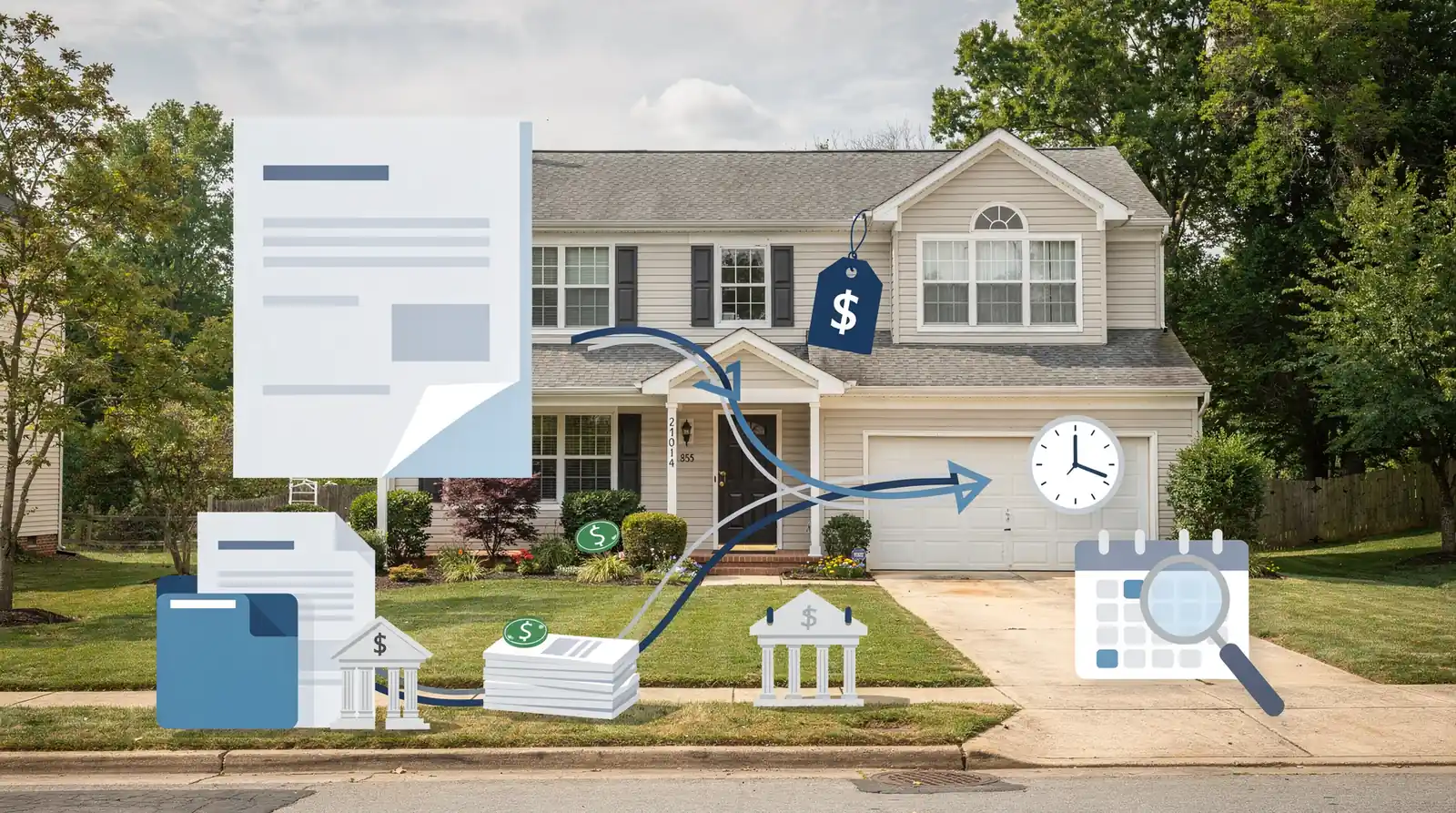
A repair credit lowers the actual sale price by giving the buyer money back at the closing table, rather than sending a contractor to the house before the deal closes. Homeowners weighing repair credit options should understand that this concession comes from the seller's side of the ledger, not a separate repair job. Skipping repairs and adjusting the price instead often feels like the simpler path for a seller juggling inspection demands.
But simplicity can be deceptive here. The exact language used to accept repair credit terms in the contract matters more than most sellers expect. Wording affects how a lender reviews the loan, how long closing takes, and whether the sale closes on schedule at all. A vague or poorly structured credit for repairs clause can stall underwriting. Push back a closing date sellers were counting on.
Does a repair credit always show up in the contract language?
Yes, and the specifics carry real weight. Lenders scrutinize how a credit for repairs is described, since sloppy phrasing can trigger delays or additional underwriting questions. A credit listed as a vague lump sum, with no reference to the items it covers, reads differently to an underwriter than one tied explicitly to the inspection findings it resolves, and that difference can decide whether the loan moves forward on schedule.
Is there a way to skip credit negotiations entirely?
Sellers who choose to sell with repair credit negotiations off the table entirely often turn to a direct cash sale instead. Selling directly for cash removes realtor commissions. Buyers frequently cover closing costs, which saves sellers money without any contract wording to negotiate. WeBuyNOVA operates as a Sterling, VA-based cash home buyer, giving Northern Virginia sellers a straightforward alternative to closing-table credit disputes and repair back-and-forth.
Why sell with a credit instead of DIY?

A repair credit puts cash in the seller's hands at closing instead of forcing a scramble to hire contractors before the deal closes. Homeowners weighing repair credit options gain time, control, and one less deadline hanging over an already stressful sale.
DIY repairs before closing carry real risk. Contractors book up weeks in advance, permits take time to process, and any delay can push back the closing date or unsettle a buyer. A credit for repairs sounds simple on paper: the seller hands over funds, and the buyer fixes things after closing. Someone still has to coordinate that work, though. The credit just shifts the burden to a different party and a different timeline.
Sellers who accept repair credit terms skip the headache of vetting contractors, pulling permits, or supervising work on a house they're trying to leave behind. That's part of why cash buyers appeal to sellers handling an inherited property: many purchase homes as-is. There's no need to pay for repairs or staging before the sale closes.
Does a repair credit save time?
Not always. A credit removes the seller's obligation to fix anything directly. The repairs still have to happen to satisfy the buyer or the lender. Someone — buyer or seller — still manages contractors, scheduling, and paperwork after closing, so the workload doesn't disappear.
What's the fastest way to skip repair negotiations entirely?
Choosing to sell with repair credit terms still means negotiating scope and dollar amounts with a buyer. Sellers who want to avoid that step altogether often turn to cash sales instead, which can close in as little as 7 to 14 days and let sellers move forward without managing any repair timeline at all.
How does an as-is cash sale skip repairs?

An as-is cash sale removes repairs from the process entirely because the buyer purchases the property in its current condition. No contractor bids, no inspection punch list, no waiting on a seller to finish work before closing. The homeowner accepts the offer and moves toward a closing date.
This structure changes the entire negotiation dynamic. Traditional sales often stall while buyers and sellers argue over repair credit options or debate whether to accept repair credit instead of completed work. Cash sales sidestep that conversation. Since cash buyers purchase homes in any condition, sellers never need to negotiate credit for repairs or hire someone to fix a roof, an aging HVAC system, or outdated electrical work.
The typical timeline reflects how much friction disappears:
- A quick property review, often completed in a single visit
- A cash offer delivered within 24 to 48 hours
- Closing that frequently happens within a week
Does an as-is sale still involve back-and-forth negotiation?
Rarely. Because the offer already accounts for the home's condition, there's no separate round of inspection demands. Sellers who sell with repair credit structures elsewhere often lose weeks to counteroffers; an as-is cash sale avoids that entirely.
What happens to the cost of repairs in a cash sale?
The buyer absorbs it. Pricing stays transparent because sellers avoid realtor commissions and hidden fees, keeping the full cash offer amount intact. Nothing gets deducted later for repair negotiations.
FAQ
When should a seller fix an issue instead of offering a credit?
Safety hazards and loan-blocking issues, like faulty wiring or a failing furnace, require an actual repair. Lenders and appraisers flag these items, and financing stalls without addressing them before closing.
When does a repair credit make more sense than a DIY fix?
Moderate, non-urgent problems, such as an aging water heater or a minor plumbing leak, resolve cleaner through closing cost credits. This approach gives sellers control over costs without hiring contractors.
How does WeBuyNOVA simplify the repair credit decision?
WeBuyNOVA purchases homes as-is in Sterling, VA, removing repair negotiations from the sale process entirely. Sellers skip sorting issues into categories or negotiating credits altogether.
Conclusion
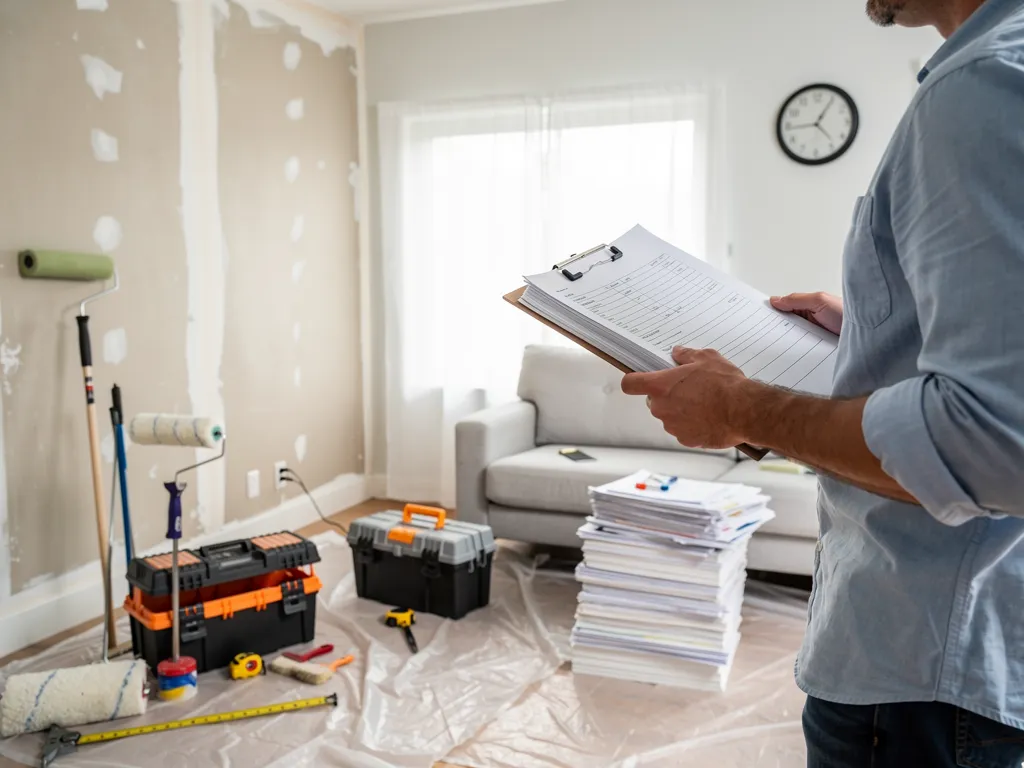
In closing, the choice between accepting repair credits and handling repairs yourself hinges on your timeline, budget, and comfort level with construction work. Repair credits offer simplicity and certainty—you know exactly what you're paying upfront without surprise costs or project delays. Self-repairs demand your time and expertise but grant you control over quality and spending. Evaluate your situation honestly, weigh the trade-offs, and choose the path that aligns with your priorities and resources.
About the Author

Eunice Johnson is a real estate expert with over a decade of experience in the Sterling, VA housing market. She specializes in helping homeowners navigate the complexities of selling their homes quickly and efficiently, particularly through cash sales. Eunice is passionate about educating sellers on their options and providing transparent, data-driven advice to ensure they receive the best possible outcomes. Her deep knowledge of local market trends and commitment to client satisfaction make her a trusted resource for homeowners looking to sell with confidence.
As a cash home buyer at WeBuyNOVA, Eunice works directly with motivated sellers across Fairfax, Loudoun, Sterling, and Prince William to build realistic plans and move through the local market with clarity.
Contact Us
Ready to discuss a cash sale for your home? Reach out to WeBuyNOVA directly:
- 📞 Phone: 571-200-2365
- ✉️ Email: [email protected]
- 📅 Consultation: Schedule a time to meet with WeBuyNOVA
- 🌐 Website: webuynova.com
Serving Sterling, VA and surrounding areas.