Got Questions? We're Here to Help!
Everything You Need to Know About Selling Your Home with WeBuyNOVA
We understand that selling your home can be a big decision. That's why we've compiled answers to the most common questions we receive. Browse through the FAQs below, and if you need more information, don't hesitate to reach out. We're here to help you every step of the way!
Got Questions? We’ve Got Answers!
Selling your home for cash is a big decision, and we’re here to make the process clear and stress-free. Here are some common questions we get from homeowners like you.
How fast can I sell my house?
You can get a cash offer within 24 hours and close in as little as 14 days, depending on your timeline.
Do I need to make repairs before selling?
No! We buy houses as-is, so you never have to worry about repairs, cleaning, or renovations.
Are there any fees or commissions?
None at all! We cover all closing costs, and since we’re direct buyers, you pay zero agent commissions.
Am I obligated to accept the offer?
Not at all! Our cash offer is completely free and comes with no obligation—you decide what’s best for you.
Real Stories. Real Advice. Real Results.
Whether you're navigating a tough situation, curious about how cash home sales work, or simply exploring your options—we’ve got you covered. Our blog is packed with helpful tips, homeowner stories, and behind-the-scenes insights to guide you through every step of your selling journey. Dive in and discover how simple selling your home can really be.

Navigate Reston Code Violation Sales for Success
Selling Property With Code Violations in Reston: Legal Guidance and Quick Sale Solutions

By Eunice Johnson, WeBuyNOVA | We Buy Houses For Cash
Selling property in Reston that carries code violations presents substantial legal and commercial challenges for homeowners. Such violations affect a property’s marketability, may impose statutory obligations and can complicate conveyancing. This article examines the legal consequences, common categories of violations and practical strategies for addressing them. It explains disclosure duties, enforcement outcomes and repair considerations, and outlines options that enable a timely sale, including specialised cash-purchaser services designed to complete transactions with minimal seller burden. The following sections explain Reston code enforcement, seller rights, and available support resources.
Key Takeaways
- Code violations in Reston significantly reduce property marketability and complicate the sales process for homeowners.
- Sellers must disclose all known code and HOA violations to potential buyers to avoid legal repercussions.
- Common violations include structural issues, overgrown yards, and unauthorized HOA modifications affecting sale outcomes.
- Reston code enforcement can impose fines and stop sales if violations remain unresolved before closing.
- Sellers should conduct inspections, prioritize repairs, and seek legal advice when selling condemned or violated properties.
- Cash home buying services offer quick sales without requiring repairs, benefiting sellers with urgent needs.
- Selling directly to investors provides speed, flexibility, and the ability to sell properties as-is in Reston.
- HOA fines vary widely and can deter buyers, making early resolution and disclosure essential for smooth transactions.
- Accessing local government resources and consulting experienced investors help sellers navigate Reston’s code violation regulations effectively.
What Are Code Violations and Their Impact on Selling Property in Reston?
Code violations are breaches of municipal regulations intended to protect health, safety and welfare. In Reston, such breaches impair a property’s appeal to purchasers, may reduce offers and can extend marketing time. Enforcement can result in monetary penalties, mandatory corrective work and, in extreme cases, legal proceedings that affect the transfer of title. Sellers must therefore assess the legal and commercial consequences and plan remediation or disclosure accordingly.
How Does Reston Code Enforcement Affect Property Sales?
Reston’s enforcement regime oversees compliance with building, zoning and maintenance standards. When violations are identified, authorities may issue fines, stop-work directives or notices that create encumbrances affecting a sale. These actions can deter buyers or reduce negotiated prices. Prompt engagement with enforcement officials and documented remedial efforts will help preserve value and reduce transaction delay.
What Are Common Types of Code and HOA Violations in Reston Real Estate?
Reston properties commonly encounter several code and homeowners association compliance issues that influence saleability.
- Structural Issues: Problems such as cracks in the foundation or improper building materials.
- Overgrown Yards: Failure to maintain landscaping, leading to unsightly conditions.
- Property Maintenance Failures: Issues such as peeling paint, broken windows, and dilapidated structures.
HOA violations typically concern unauthorised alterations or deviations from prescribed community standards. Identifying the specific category of violation assists sellers in evaluating repair costs, disclosure obligations and negotiation strategy.
How Can You Legally Sell Condemned or Violated Homes in Reston?
Transacting a condemned or substantially non-compliant residence requires careful adherence to statutory requirements. Sellers must understand disclosure duties, remediation obligations and any restrictions on transfer imposed by enforcement orders. Compliance with state and local rules and consultation with qualified legal counsel are advisable prior to listing or executing a sale.
What Are the Legal Rights and Obligations for Sellers With Code Violations?
Sellers confronted with code violations have both responsibilities and rights that affect the sale process. Key obligations include the duty to inform prospective buyers of known violations and to comply with any legal directives from local authorities. Sellers retain rights to contest enforcement actions through available appeal procedures, though such processes may be protracted.
- Disclosure: Sellers must disclose known violations during the sale process to potential buyers, as non-disclosure could lead to legal repercussions.
- Rights: Homeowners retain the right to contest any code violations through appeals, but this process can be lengthy and complicated.
Non-compliance with statutory disclosure or enforcement requirements can expose sellers to civil liability, fines and potential rescission claims; accordingly, professional legal advice should be obtained when questions arise.
Which Steps Should Sellers Take When Selling Condemned Properties in Reston?
When preparing to sell a condemned property, sellers should follow a clear, documented process to minimise risk and facilitate transfer.
- Conduct a Thorough Inspection: Hire professionals to identify and document all violations comprehensively.
- Address Significant Repairs: Prioritize essential repairs, ensuring the home meets basic safety standards.
- Seek Legal Counsel: Consult an attorney with real estate expertise to understand the implications of selling a violated property.
- Prepare for Disclosure: Be ready to disclose all known issues to potential buyers clearly.
Adherence to these steps reduces transactional risk and provides prospective purchasers with the information required for informed decisions.
What Are Quick Sale Options for Properties With Code or HOA Violations in Reston?
For owners who require expedient disposition, alternative sale pathways exist that mitigate the need for extensive repairs or prolonged marketing. These options can provide liquidity while transferring responsibility for remediation to the purchaser.
How Do Cash Home Buying Services Facilitate Fast Sales of Violated Properties?
Cash purchasers specialise in acquiring properties in their existing condition, including those subject to violations. Such services typically offer a rapid evaluation and a cash offer, followed by an accelerated closing timeline, thereby reducing holding costs and transaction uncertainty.
- Quick Assessment: A fast property evaluation to determine a fair cash offer.
- Rapid Closing: Closures can often occur within days, alleviating the stress of prolonged sales.
This route is appropriate for sellers who prioritise speed and certainty over maximising sale price, particularly where remedial work would be onerous or time-consuming.
What Are the Benefits of Selling Directly to Real Estate Investors in Reston?
Direct sale to experienced investors provides several procedural and commercial advantages for sellers of non-compliant properties.
- Speed: Investors can expedite the buying process, allowing homeowners to sell quickly.
- As-Is Sales: Homeowners can sell their properties without making repairs or preparing for showings.
- Flexibility: Investors often provide tailored solutions, accommodating various seller circumstances.
These features allow sellers to conclude transactions with minimal further expenditure, while transferring the obligation for corrections to a purchaser with appropriate resources.
How Do Reston HOA Violations Affect Your Property Sale?
Violations of homeowners association rules can impose financial liabilities and procedural conditions that materially affect the sale. Sellers must assess outstanding fines, required corrective actions and any transfer restrictions imposed by the association prior to listing.
Can You Sell a Home With Active HOA Violations in Reston?
Sale of a property subject to active HOA violations is possible, but requires adherence to disclosure and any HOA-imposed conditions. Prospective buyers must be informed of outstanding violations, and in some cases the association may require remediation or settlement of fines before closing.
- Disclosure of Violations: Potential buyers must be informed about existing violations, which could affect buyer interest.
- Resolution Timeline: Sellers might need to resolve violations before closing, depending on the severity and the HOA's requirements.
Proactive management of HOA matters, including early disclosure and negotiation, will reduce the likelihood of delayed or failed transactions.
What Are Typical HOA Fines and Their Effect on Property Transactions?
HOA penalties vary by rule and severity; minor infractions commonly attract modest fines, while substantial breaches may result in larger assessments and administrative costs. These liabilities can encumber the property and influence buyer willingness to proceed.
- Minor Violations: Generally range from $50 to $200 for issues like unkempt lawns.
- Major Violations: More severe infractions can incur fines upwards of $500, for example, unauthorized structural changes.
Awareness and disclosure of such financial obligations are essential, as unresolved fines may be treated as liens or negotiated items during closing.
Where Can Sellers Find Reliable Assistance for Code Violation Property Sales in Reston?
Sellers benefit from consulting professionals with subject-matter expertise, including licensed real estate investors, contractors and attorneys who regularly handle properties affected by code or HOA non-compliance.
What Should You Look for in a Real Estate Investor Specializing in Violated Homes?
When evaluating investors who purchase non-compliant properties, focus on demonstrated competence, local regulatory knowledge and a verifiable track record.
- Experience: Investors with substantial experience understand the nuances of code violations and can offer informed decisions.
- Local Market Knowledge: Investors familiar with Reston’s market conditions can provide more competitive offers.
- Reputation: Seek testimonials and reviews to ensure reliability and trustworthiness.
Selecting investors that satisfy these criteria reduces transaction risk and facilitates a more efficient sale process.
How to Access Updated Virginia and Reston Municipal Code Regulations?
Sellers should consult official municipal and state sources to obtain current regulatory requirements and guidance on compliance procedures.
- Local Government Websites: The Virginia state government and Reston-specific municipal websites provide current regulations and resources.
- Legal Aid Organizations: Non-profit organizations can assist homeowners with understanding their rights and obligations.
Regular consultation of these authoritative resources ensures sellers remain informed of legal changes and procedural requirements relevant to their properties.
How Quickly Can I Sell a Home With Code Violations in Reston?
Sale timelines will vary according to the nature and extent of violations, disclosure practices and the chosen sales channel. Typical transactions may complete within several weeks to a few months; cash purchasers and investor buyers generally enable the most rapid closings.
What Happens If I Don’t Disclose Code or HOA Violations When Selling?
Failure to disclose material violations can expose sellers to legal claims for misrepresentation, rescission or damages. Full and accurate disclosure is therefore essential to limit liability and to comply with applicable statutory and contractual obligations.
Frequently Asked Questions
1. What should I do if I discover code violations while trying to sell my property?
If violations are discovered during a sale, initiate a comprehensive inspection to document all issues. Notify the relevant municipal or HOA authorities to clarify required remedial actions, obtain estimates for repairs and consult legal counsel to ensure that disclosures and remedial steps satisfy regulatory and transactional requirements.
2. Are there specific government resources to help deal with code violations in Reston?
Yes. The Reston Association and local municipal departments for building and zoning publish guidance on compliance procedures and appeals. Virginia legal aid organisations may also provide assistance to qualified homeowners regarding rights, remedies and procedural steps.
3. How can I estimate the costs of fixing code violations before selling?
Obtain a written assessment from a licensed contractor or building inspector detailing required repairs and associated costs. Include permit fees, inspection charges and potential contractor contingencies when estimating total expenditures. These estimates will inform the decision to repair or to pursue alternative sale options.
4. What if my property is listed for sale, and code violations are cited later?
If violations are cited after listing, promptly disclose the circumstances to prospective buyers and your agent. Evaluate whether immediate corrective measures are required by authorities or advisable to preserve value, and consult counsel to determine the appropriate transactional disclosures and negotiation strategies.
5. Can I sell my property as-is if it has code violations?
Yes. Selling ‘‘as-is’’ is feasible, particularly to cash purchasers or investors who accept properties in need of repair. Sellers must, however, comply with disclosure obligations and ensure that the buyer is informed of known violations to avoid subsequent liability.
6. How can I ensure a smooth transaction when selling a property with code violations?
Ensure transactional clarity by documenting all known issues, providing accurate disclosures, obtaining professional inspections where appropriate and engaging experienced agents or legal counsel. Where rapid sale is necessary, consider reputable cash buyers or investor purchasers who routinely manage remediation post-closing.
Conclusion
Comprehension of legal obligations and available sale pathways enables homeowners in Reston to manage properties affected by code violations with greater certainty. By observing disclosure duties, consulting qualified professionals and considering specialised cash or investor buyers, sellers can reduce delay and limit exposure to liability. Review the resources provided and seek experienced advisers to proceed with a secure and efficient transaction.
About The Author
Eunice Johnson is a seasoned real estate professional associated with WeBuyNOVA, specializing in cash purchases of houses in the Northern Virginia region, including Reston. With extensive experience in assisting homeowners facing challenging sales situations such as properties with code violations, Eunice provides expert guidance tailored to navigate complex legal and market conditions efficiently. Her expertise enables sellers to achieve timely transactions while minimizing risks and burdens typically associated with distressed property sales.
Contact Us
For personalized assistance or to discuss selling your property with code violations in Reston, reach out to Eunice Johnson at WeBuyNOVA:
- Phone: 571-200-2365
- Email: [email protected]
- Book a Meeting: https://webuynova.com/meet-with-webuynova

TESTIMONIALS
What others are saying

Smooth & Simple
"Sold my house as-is in 10 days. No fees, no stress—just cash in my hands!"
— Maria L.


Fast Cash Offer
"They gave me a fair offer the same day. Closed exactly when I needed!"
— James R.

No Repairs Needed
"I didn’t lift a finger. They bought it exactly how it was. So easy!"
— Tonya W.
Sell Your Home Fast – Get Your Free Cash Offer Now!
No repairs, no fees, no waiting—just a simple, stress-free sale. Take the first step today and see how much your home is worth in cash. Request your no-obligation offer now!
Want to work with us?
COMPANY
CONTACT US
LEGAL
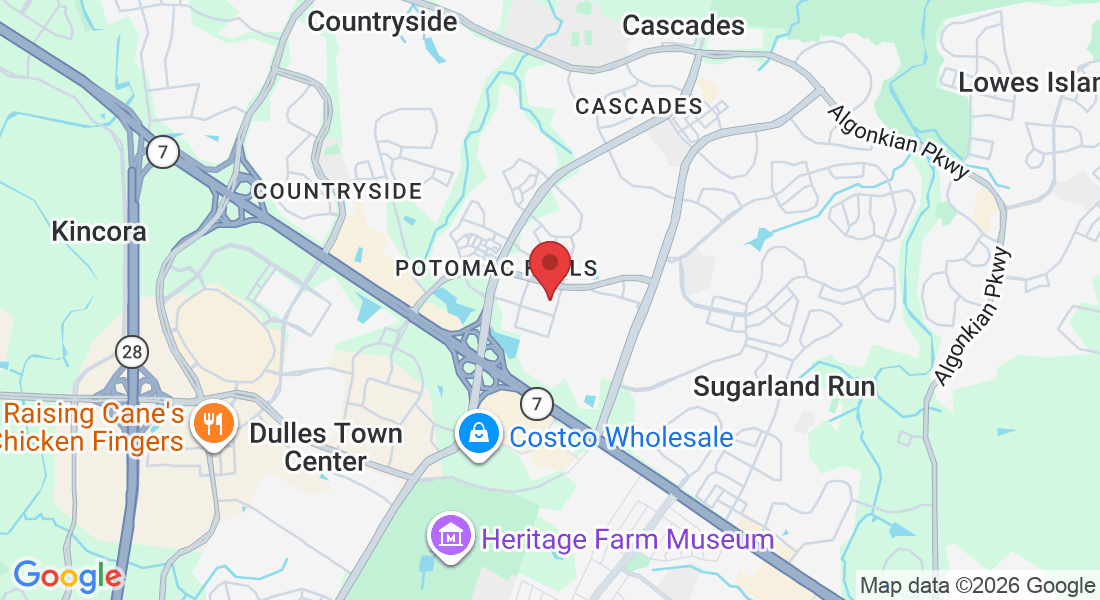
21000 Southbank St. Ste 106-380, Sterling VA 20165
Copyright 2026. WeBuyNOVA. All Rights Reserved.